On Simple Checklists

This week’s learning draws inspiration from ‘The Checklist Manifesto’ by Atul Gawande-


I had promised more Checklist learnings from the fascinating piece of work by Atul Gawande. So, here is another..

In 2001, Peter Pronovost, a critical care specialist at John Hopkins Hospital, became frustrated about the incidence of infections that arose after injections in intensive care. He came up with this simple checklist of the steps which had to be taken to avoid infections:
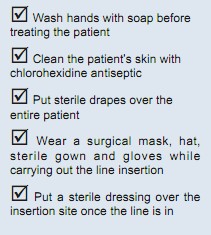
Many of our first reactions to this would probably be smiling at how basic this list is. Pronovost followed it up by authorizing nurses to stop doctors from injecting the patient if they skipped a point on the checklist.

The impact over 15 months?

8 Deaths prevented.
43 infections avoided.
$2 million saved.

“We don’t like checklists. They can be painstaking. They’re not much fun. But I don’t think the issue here is mere laziness. There’s something deeper, more visceral going on when people walk away not only from saving lives but from making money. It somehow feels beneath us to use a checklist, an embarrassment, It runs counter to deeply held beliefs about how the truly great among us — those we aspire to be — handle situations of high stakes and complexity. The truly great are daring. They improvise. They do not have protocols and checklists. Maybe our idea of heroism needs updating.” — Atul Gawande

A close friend and I are working on an app on iPhone/Android platforms for easy checklist creation. Will keep you updated!

Until then, hope you have fun making simple checklists at work this week!

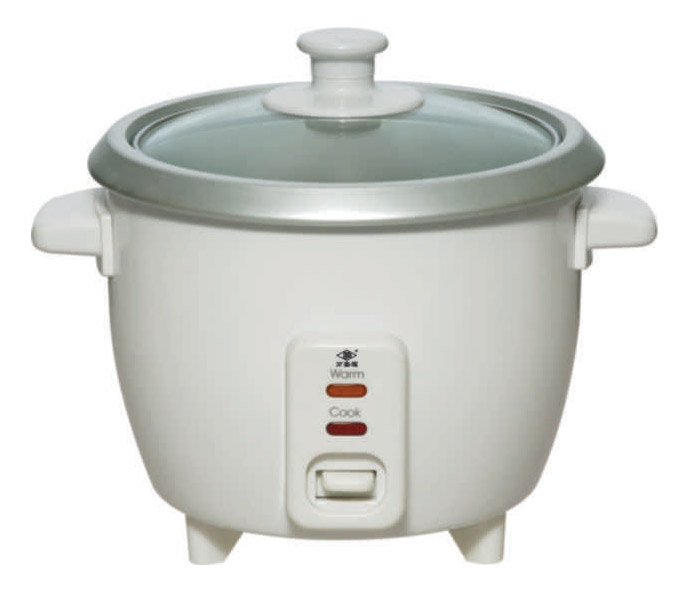
The Rice Cooker

Have you observed how a rice cooker works?
You put in grains of rice and lots of water. Then you heat it and the cooker gradually uses the heated water to cook the rice. Required amounts are taken in, the rest is thrown out.
Isn’t it much the same with our days? All the stimulus that comes at us is the water i.e. colleagues complimenting us, colleagues dissing us, other good news, bad news and the like. The heat is similar to the pressure we have everyday to earn, to deliver etc. The rice is what we are building, working on..
We just need to be good rice cookers – take the useful water, throw out the excess/unwanted and become useful in the process.

When you work your butt off for something

You tend to count results. (What happened? Did they turn out in proportion to the effort? Were they deserved etc?)
Results are important – there is no doubt about that. We are measured by them at the end of the day. However, the bigger the stakes, the bigger the chances luck influences those results.
As a result, it is very easy to be disappointed by bad results when they do come our way. And sometimes, a stretch of bad luck may even influence some critical points in life.
In my view, we are probably better placed if we ask ourselves one additional question
What did I become from it?

Many a time, the results may not go our way but the learnings from the experience make it well worth it. Failing a driving test may be well worth it if we ended up becoming better drivers.
I spent a good part of 3 years working on a dot com that didn’t work out. Was the result ideal? No. Do I regret it? Absolutely not. The learnings I got and the people I met gave me a platform to build from, for a lifetime.. Often, it is the 2nd question that saves us from ‘death by introspection’.