Order confirmations

Over the past couple of years, I’ve been using a simple system to keep track of confirmations and refunds.

Every time I receive an email that confirms either an aspect of travel (flight bookings, AirBnB rentals) or purchases made outside of Amazon, I file them under the “Order Confirmations” label.

This does 2 things at once –

(1) I have one place to find any upcoming orders that haven’t been fulfilled. It is easy to pull these up when I need them.

(2) It helps ensure I stay on top of any pending refunds as these emails stay undeleted until they’re processed or resolved. Every business promises refunds in x days and probably gets them right 99%+ of the time. It is on us to make sure we’re not in that 1%. And, at least anecdotally, I’ve found myself running into glitches more often than I’d like to.

My primary Gmail account over the years has morphed into a place for newsletters and transactions as personal communication with friends and family has moved almost entirely over to Whatsapp and text. “Order Confirmations” is a simple system to make sure the system operates as intended.

Extreme POVs

David H Hansson from the former 37 Signals team shared a post recently about how hybrid work is remote work’s evil twin. And his message was – either pick remote or fully on-site. Don’t bother with anything in the middle.

It’s been a while since I’ve seen DHH’s posts floating around in the ether. I have a lot of respect for all he’s done. He and his partner Jason Fried are a case study in content marketing as they’ve built a brand around sharing extreme points of view.

This post is a great example of that. It makes for an entertaining read.

I just don’t think it is right.

I think there’s a lot of ways hybrid work is way better than either alternative. And I’ve spoken to many others over the past months who feel similarly. As with most things in life, there’s nuance and a middle path.

But – and here’s the lesson – balanced points of view rarely provide entertainment value. They don’t attract attention.

So, if you want to create popular content, take a page from DHH’s playbook and take an extreme point of view. Ignore the nuance. You’ll attract both the lovers and haters – but you’ll win the attention game.

However, there’s limited, maybe even negative, correlation between what gets attention and what is right, wise, or useful.

So just make sure you’re clear about what game you’re playing.

And where that path leads.

Fishing in muddy waters

A good friend shared a quote a wise friend shared with her once – “Don’t fish in muddy waters.”

This was during a turbulent time on her team. A combination of factors external to the company as well as some leadership changes were driving a lack of clarity. During this time, a few folks decided to use the opportunity to posture for more scope and responsibility.

By making that choice, they traded off helping the team get to clarity and providing the stability their leaders wanted them to provide.

“Don’t fish in muddy waters” is a lovely reminder to wait for things to settle and even help drive clarity if possible before “attempting to fish.”

When times are tough, it is tempting to be focused on the fish we want to catch. But it is counter productive.

Good leaders always notice.

Don’t fish in muddy waters.

Inevitable change, optional growth

A former colleague shared this quote in her farewell note – “Change is inevitable. Growth is optional. “

There’s a lot of change happening in the world right now. Macroeconomic winds have changed. We are at the beginning of a new technology paradigm that is AI native instead of mobile native.

And companies all over the world are adjusting to this and more. So change is indeed inevitable.

Our response, and the ensuing growth (or lack thereof), is a byproduct of how we decide to show up.

Our choice. Always.

Roofs in Pompeii

Pompeii, the ancient Roman city, has a neat addition on its roofs.

It is hard to understand what the big deal is – even when we take a closer look.

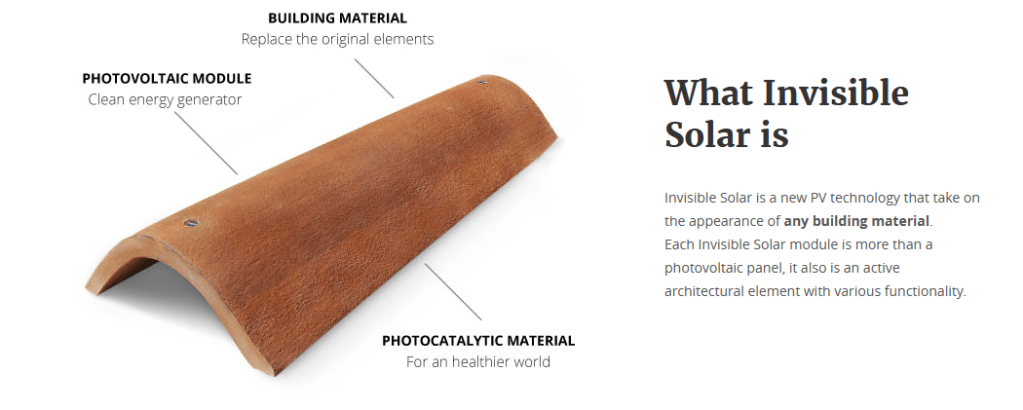
But these terracotta-like roofs are actually “invisible solar” photovoltaic panels manufactured by an Italian company called Dyaqua.

“They look exactly like the terracotta tiles used by the Romans, but they produce the electricity that we need to light the frescoes,” says Gabriel Zuchtriegel, the director of the archaeological park of Pompeii, in a press release (see this article for more).

“Pompeii is an ancient city which in some spots is fully preserved,” Zuchtriegel says. “Since we needed an extensive lighting system, we could either keep consuming energy, leaving poles and cables around and disfiguring the landscape, or choose to respect it and save millions of euros.” The new technology will help the archaeological site to cut energy bills and make it more enjoyable, he adds.

Over the past 5 years, I’ve been consistent in my belief that solar will go mainstream when it isn’t the “right” thing to do because of sustainability reason but because it makes common sense given costs. We’re already at that point – solar is the cheapest form of electricity and will continue to get cheaper.

But this is a whole different proposition. This makes solar a no-brainer investment that is also… cool.

Pompeii is ushering us into a new era.

Who would’ve thought?

SBU

SBU = Smart but Unproductive

There’s a genre of comments you hear in meetings that sound smart but do nothing to move the discussion forward or toward closure.

They often make the commenter look very good. These comments may espouse a theoretical framework, may state some truth, or simple articulate ask everyone to do something obvious.

They’ll do everything except steering the discussion to a close.

Beware the smart but unproductive comment as a meeting facilitator. But, more importantly, stay far away from cultures and teams that reward this kind of conversation.

Always be closing is just as relevant in large group meetings as it is in sales.