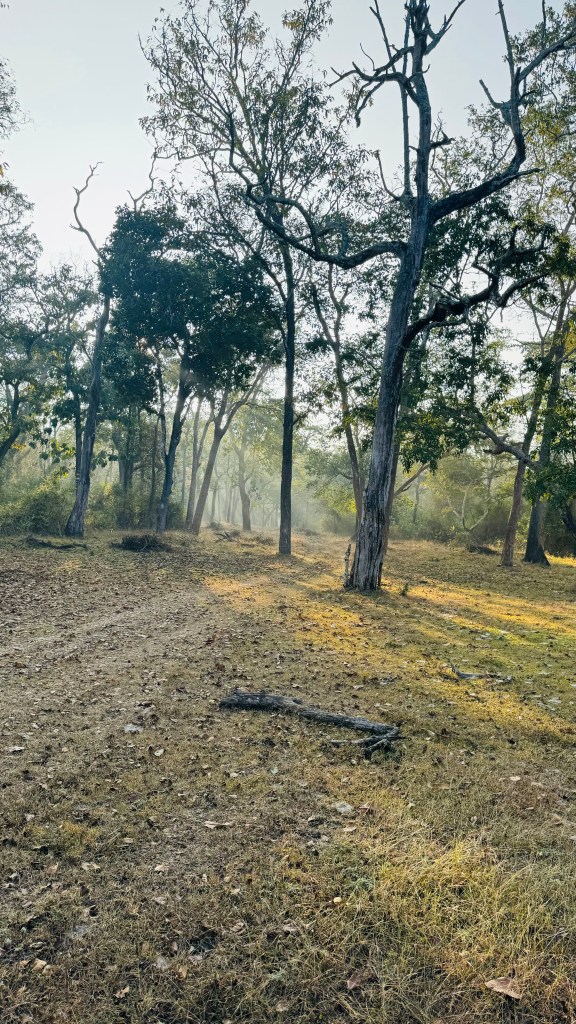
The Tadoba Andhari Tiger Reserve is the largest and oldest national park in Maharashtra, covering 625 sq km. It is home to one of India’s most thriving tiger populations with over 90 tigers – one of the highest densities in India.
The name “Tadoba” comes from a local tribal god “Taru.” Legend holds that Taru was a village chief who was killed in an encounter with a tiger. He was deified, and a shrine dedicated to him now exists beneath a large tree on the banks of Tadoba Lake. “Andhari” refers to the Andhari River that meanders through the forest.
Beyond tigers, the reserve is home to Indian leopards, sloth bears, gaur, wild dogs, marsh crocodiles, Indian pythons, and around 280 species of birds. Summer temperatures can reach 47°C (117°F). And it was once used as hunting grounds before being declared a national park in 1955.
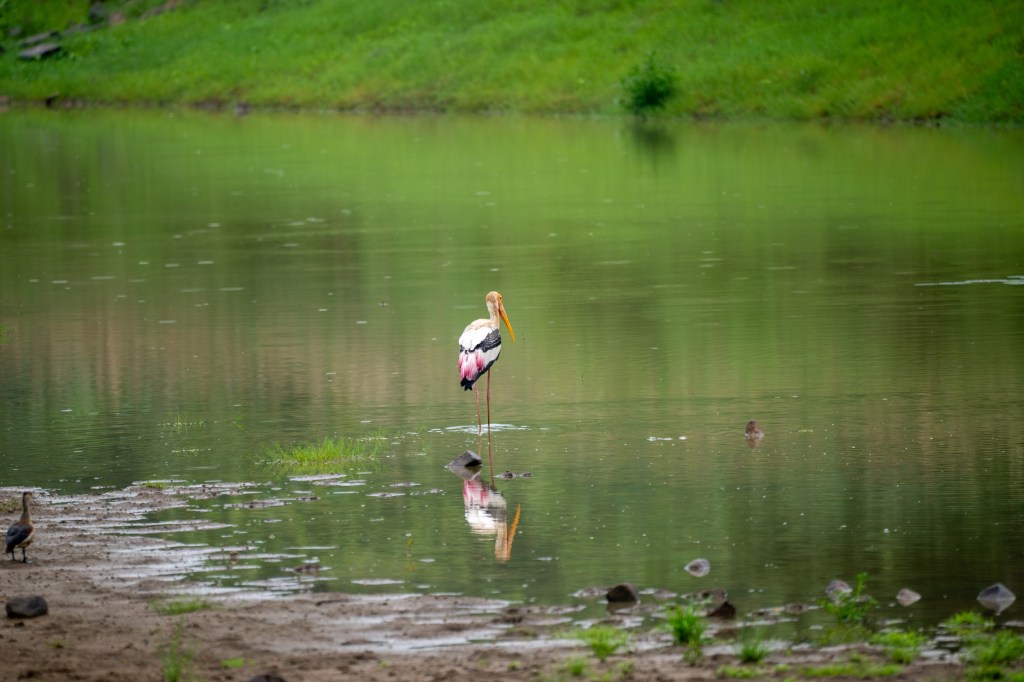
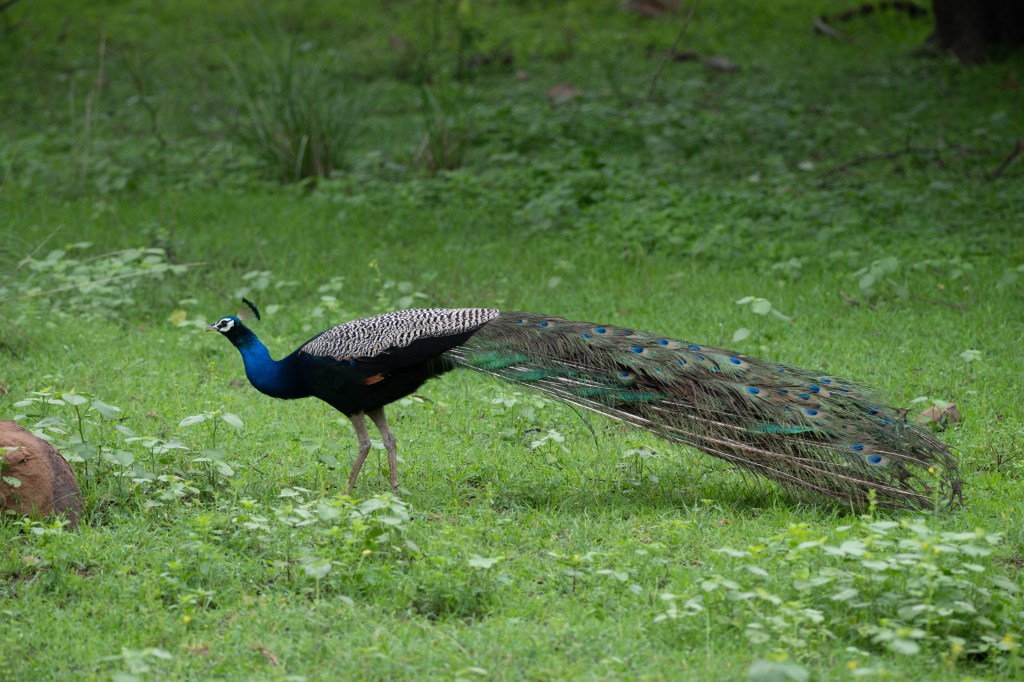
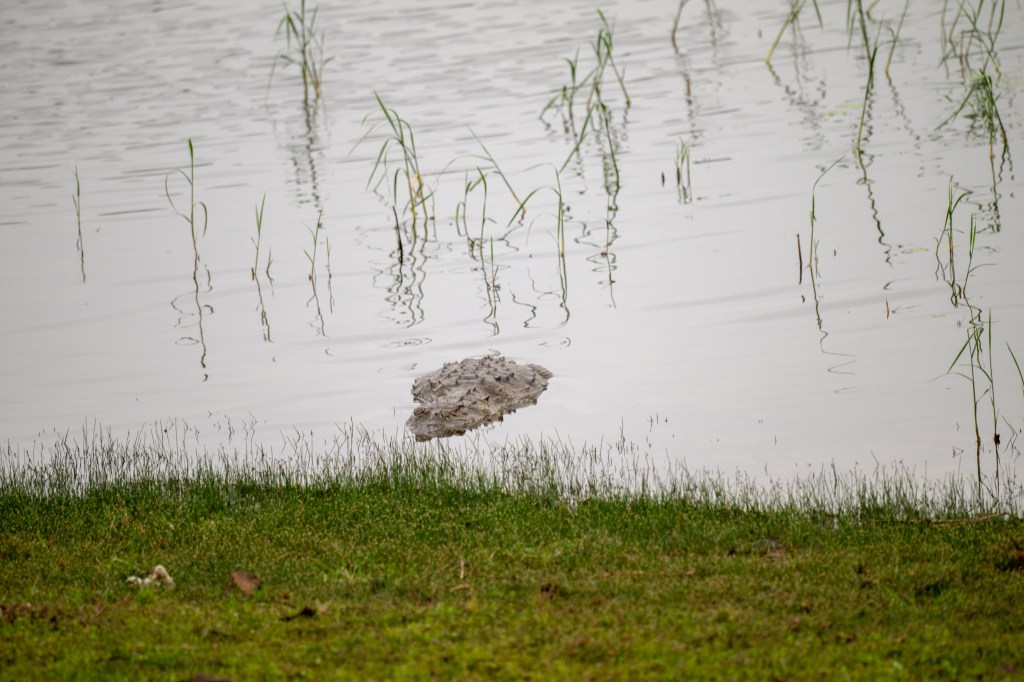
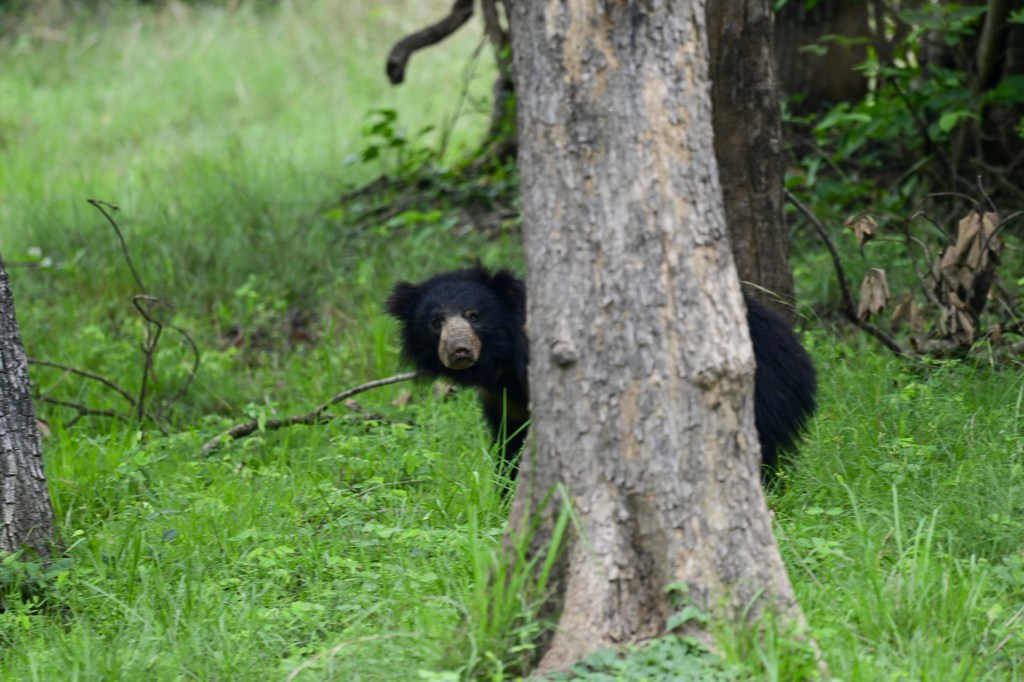
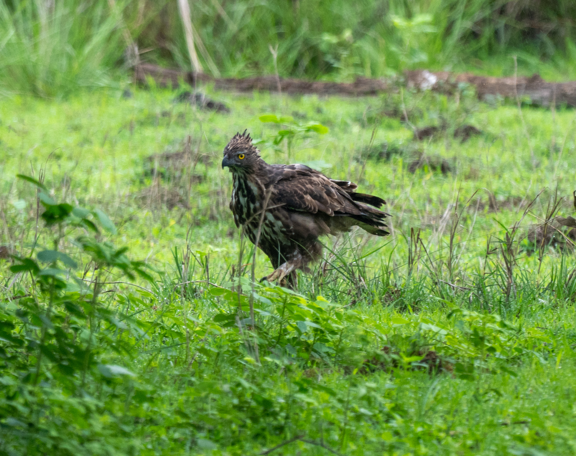
We were fortunate to see a collection of birds and animals like…
A painted stork
A peacock
A crocodile
A sloth bear
A “changeable Hawk Eagle”
However, after a first tiger safari at the beautiful Nagarhole National Park where we didn’t see a tiger, we were hopeful our second attempt at Tadoba would be more successful.
And we hit the jackpot in our first attempt.
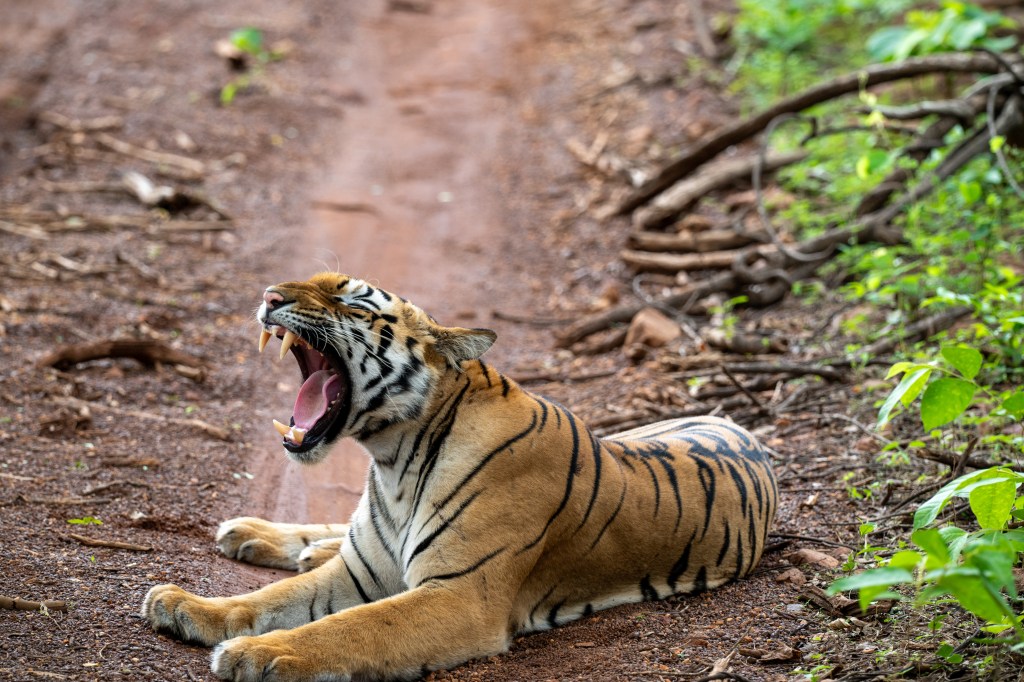
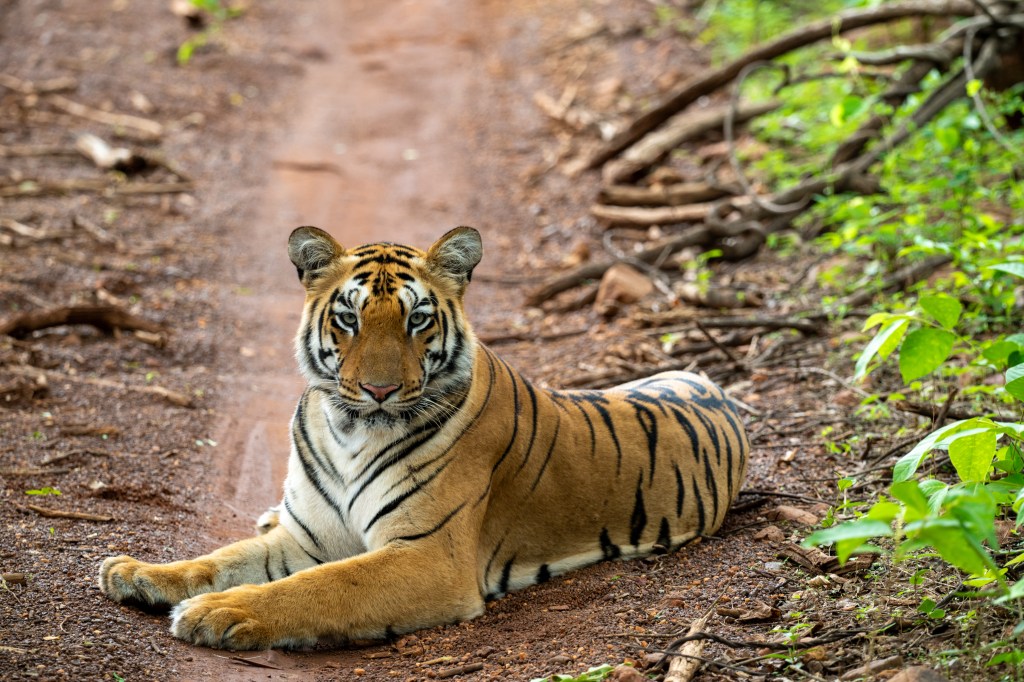
A female tiger named Chanda spent an entire hour with us just hanging out. She relaxed, yawned, ate some herbs because she wasn’t feeling well. Walked through the foliage. Marked her territory. Chuffed. Hung out near a water body.
One of the most epic experiences. One that we’ll never forget.
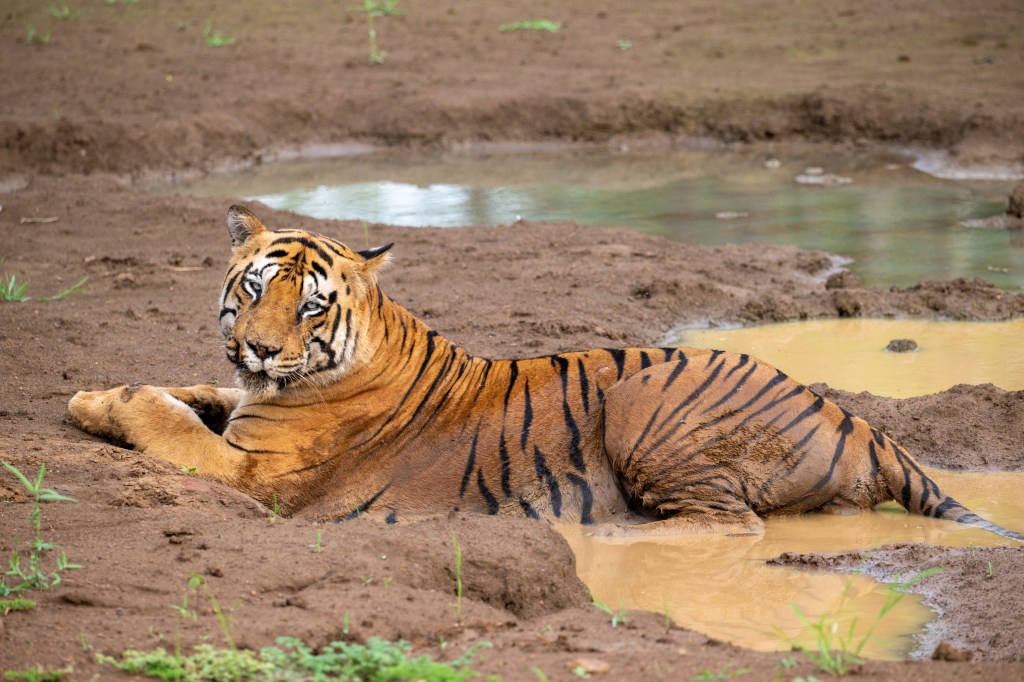
We also got to see her father, Chhota Matka – also called CM. He was just recovering from a deadly fight with another male tiger who had challenged his territory and severely injured him. So he spent his time sunbathing and relaxing by a stream. He’s massive and a famous tiger in these parts.
We didn’t catch any other glimpses of this majestic cat after that first attempt. But that hour of sighting remained the highlight.
Having had the opportunity now to see lions in the wild as well, you just realize that tigers – both in terms of their size and their incredible fur – are truly the most charismatic of mega cats.
It was an unforgettable experience through this iconic forest reserve.
Nagarhole National Park – also known as “Kabini” – sits on the banks of the Kabini River, with Bandipur National Park on the opposite side. It makes for a picturesque setting – dense forest, water, and one of the highest tiger concentrations in India.
We stayed at the Jungle Lodge, maintained by the park authorities and transformed from its British hunting-era origins. A fitting evolution. The food felt home cooked and delicious — a small thing that added to the warmth of the stay.
As this was pre-DSLR, I don’t have too many photos and none that do justice to the beauty of the forest.
The rangers who took us on safari had experience across different parks in the country. They could speak to both the vegetation and the animals and birds with equal ease. That kind of knowledge makes a difference.
Safaris are controlled and run through the Jungle Lodge, with fewer than 20 vehicles going out each slot. No overcrowding, no convoy of jeeps jostling for position. It made the whole experience feel more magical – just the forest and the possibility of what you might see.
Despite four attempts, we didn’t spot a tiger. Sometimes these things don’t go your way. But my biggest memory is looking through the mist on both days, hoping to catch sight of a big cat.
And then, for a few seconds on our last morning, a leopard crossed the road and disappeared into the bushes.
Yosemite National Park covers about 1,169 square miles. The incredible Yosemite Valley is just 1% of the entire national park. And yet it’s where most people – including me – have spent most of our time.
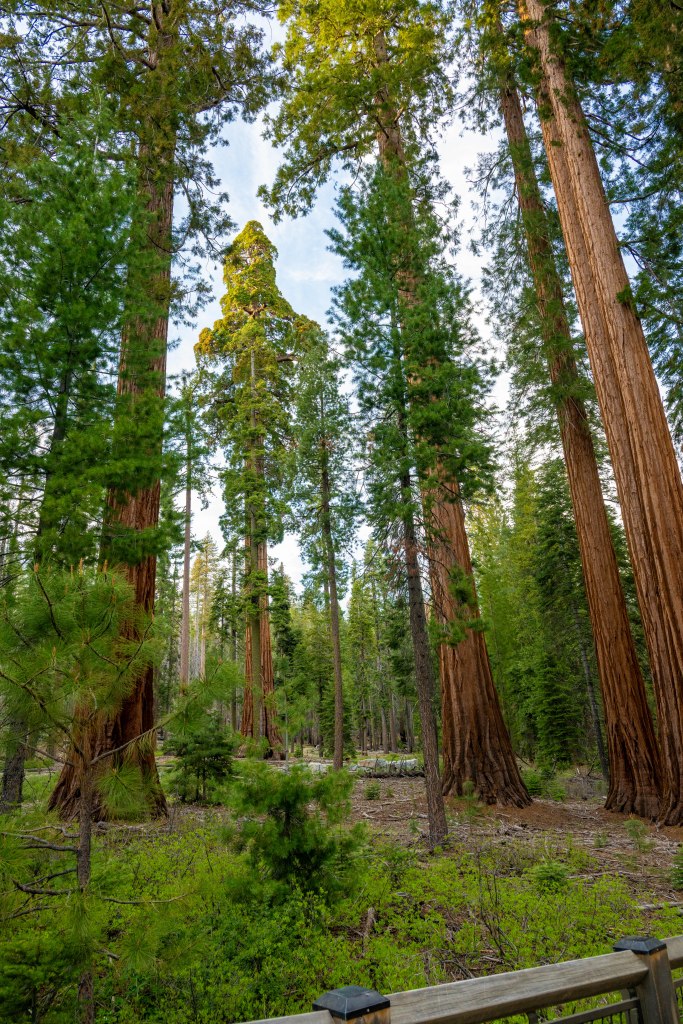
There are so many beautiful aspects to Yosemite National Park. Yosemite contains 20% of all of California’s plant species. The Giant Sequoias in the park are the biggest living things on the planet. You get completely transported to a different ecosystem when you walk amongst the Giant Sequoias at Mariposa Grove.
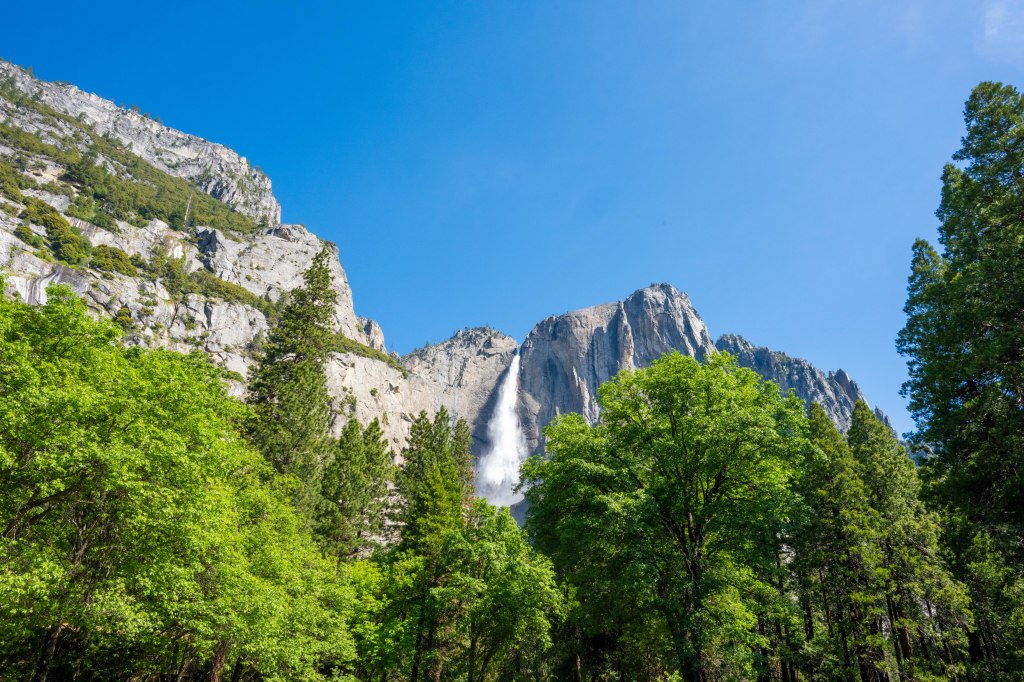
Then you make it to the stunning Yosemite Valley. It is home to Yosemite Falls, North America’s tallest waterfall, cascading 2,425 feet.
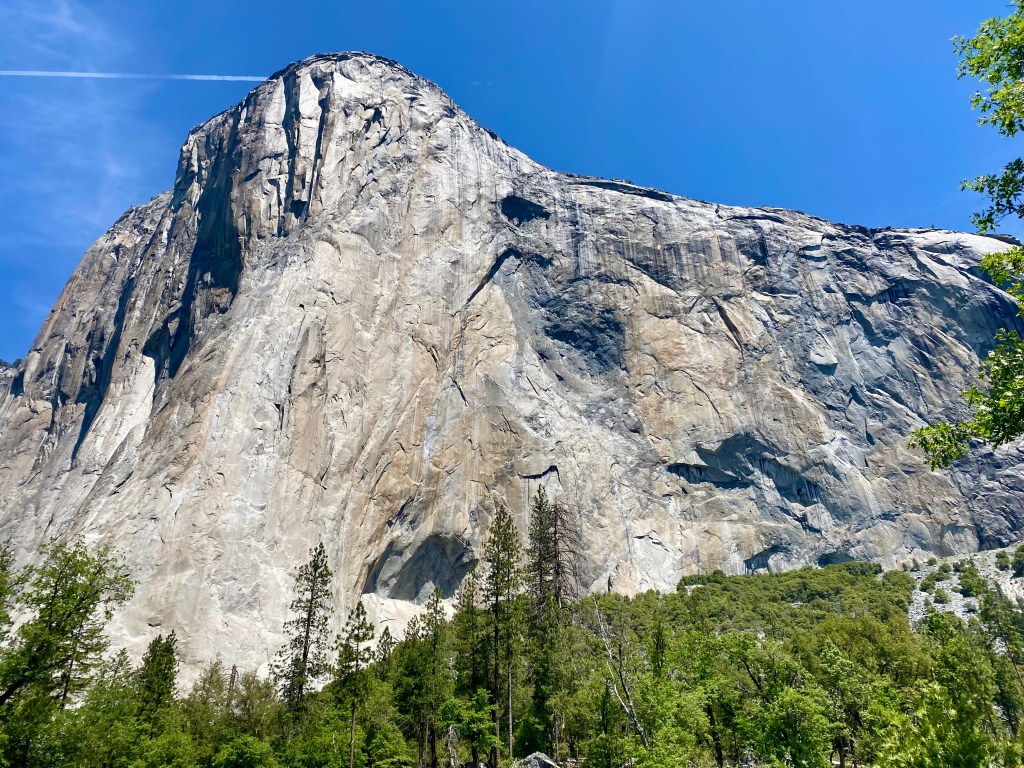
The incredible El Capitan is a breathtaking wall of granite. It takes on a whole different meaning after you see Alex Honnold climb it without ropes in “Free Solo.”
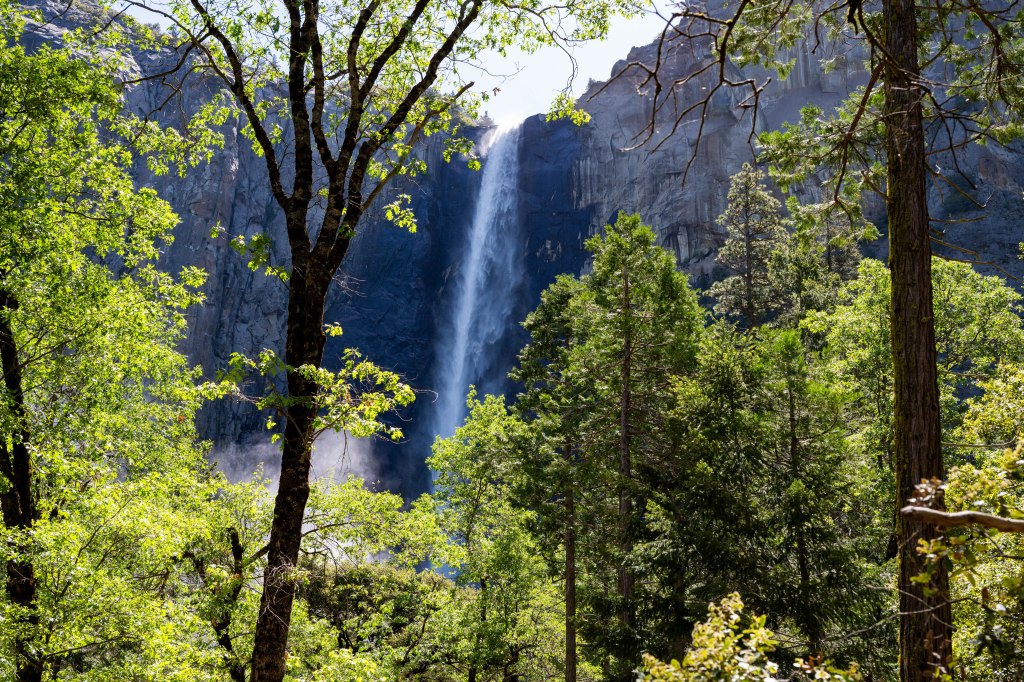
There is the Bridalveil falls – misty and magical.
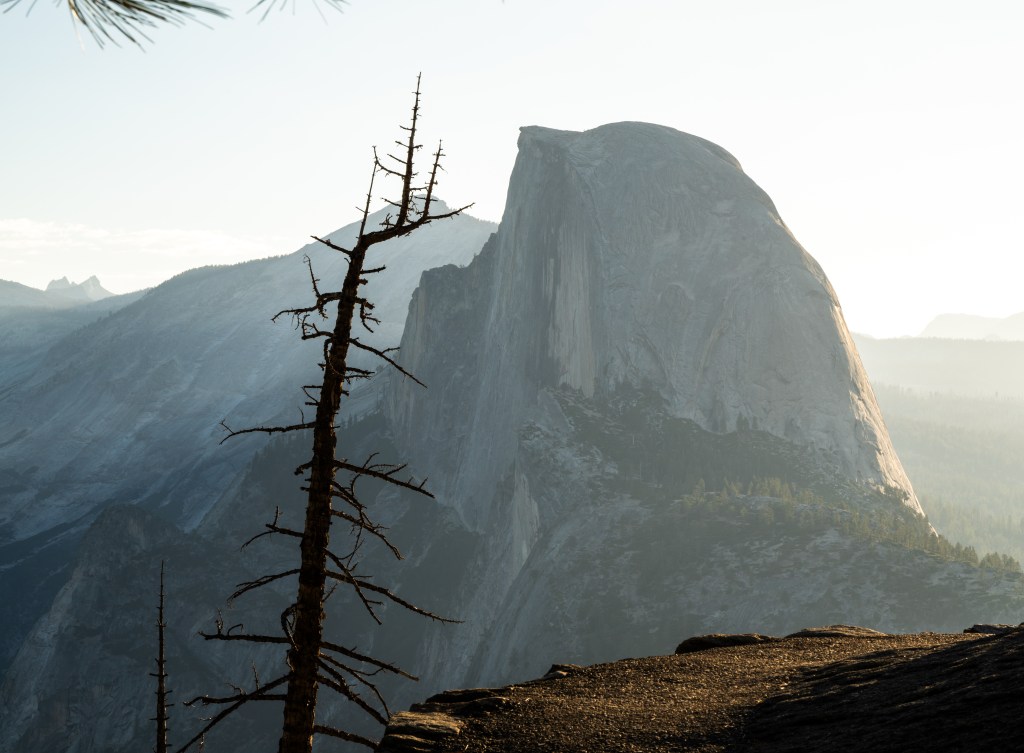
There are beautiful viewpoints like Glacier Point from where you appreciate the beauty of “Half Dome.”
You can go over the other side to Tuolumne Meadows and experience a beautiful meadow high up that provides water for most of Central California.
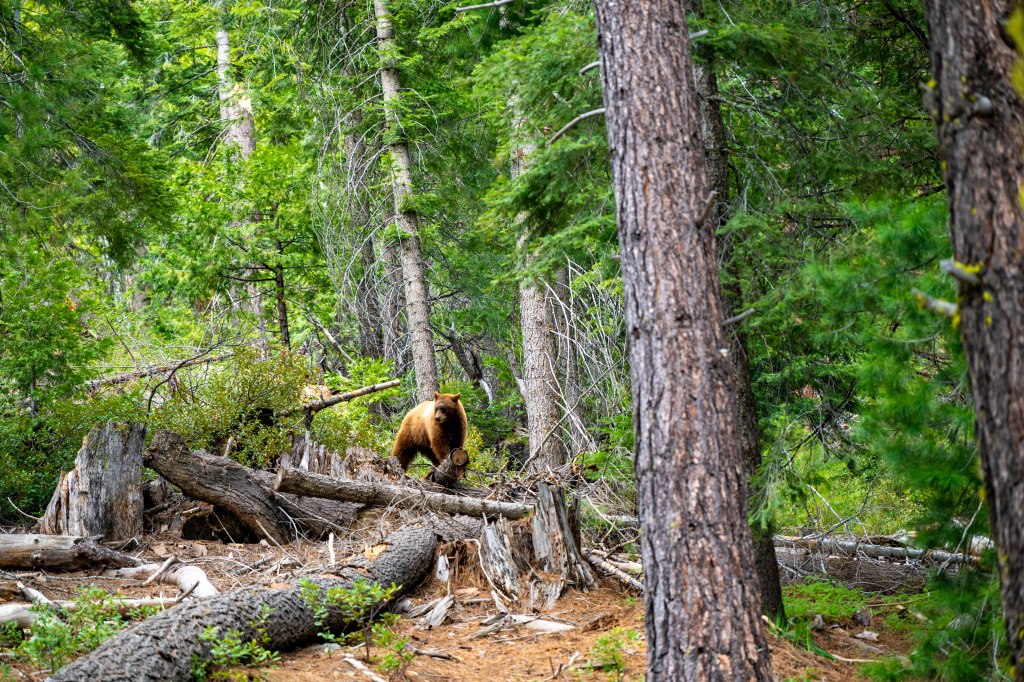
Once you get out of the valley, you do occasionally see wildlife. This mama bear was out for a feed with her babies.
Yosemite has been a land of wonders for us. We first went there about 5 years ago and do our best to visit every year. A pilgrimage of sorts that reminds us of how awe-inspiring nature can be.
Yosemite Valley is the perfect place for bikes – with almost 12 miles of bike trails. The massive granite mountains all around you, the beautiful trees, the streams, the gentle Merced River with many spots around it to hang out and dip your toes in its beautiful water, and the stunning Mirror Lake in early spring and summer are all highlights.
Then there are beautiful hikes. The Mist Trail up to Vernal Falls, for example. And obviously much longer hikes like Half Dome and the rest of the Sierra Nevada.
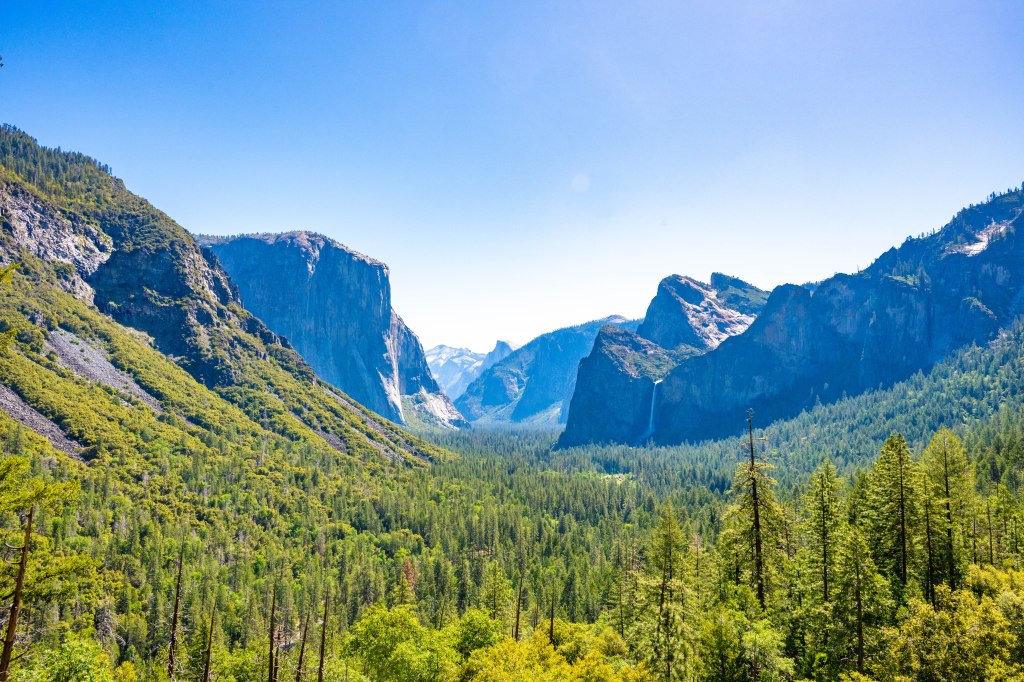
The most stunning part about Yosemite, especially in the spring and summer, is the flow of water. If you visit anytime between April and June, when the waterfalls are running in full flow, it is without question one of the most beautiful places in the world. This is what it can looks like from “Tunnel View” on a sunny day in early summer.
It is one of my favorite places in the world. And I think it took me a few years to write this post simply because I wasn’t sure I’d find the words to do it justice.
It is no wonder that it was the first land protected by the US government. It is an incredibly special place and deserving of that honor.
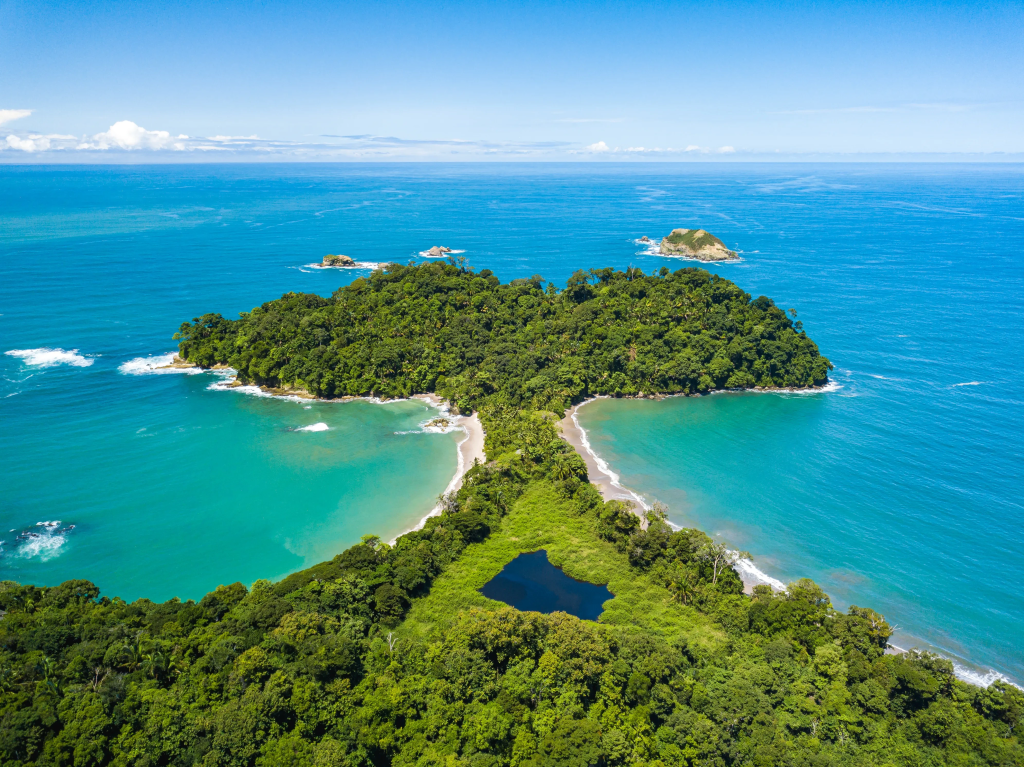
Manuel Antonio National Park in Costa Rica is the smallest national park in the country – about 1,685 acres, roughly twice the size of Central Park in New York.
The most beautiful part of the national park are the beaches. They form a beautiful shape when seen from the sky. The UV rays and sun are particularly strong, so generous amounts of sunscreen are a must.
But the beaches themselves are pristine with beautiful warm waters and a joy to spend time in.
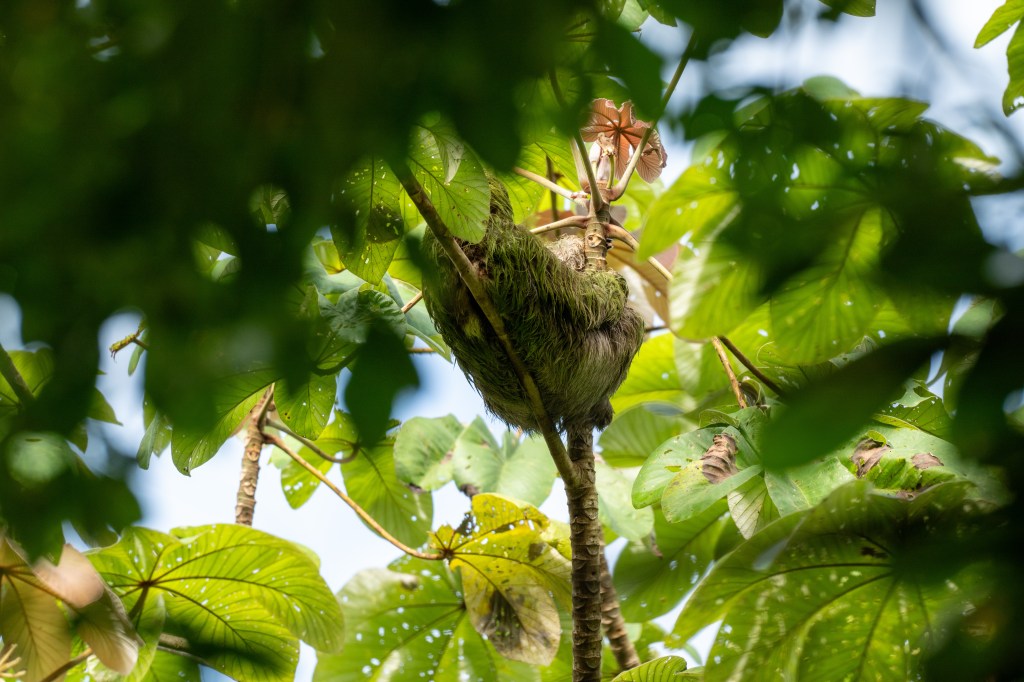
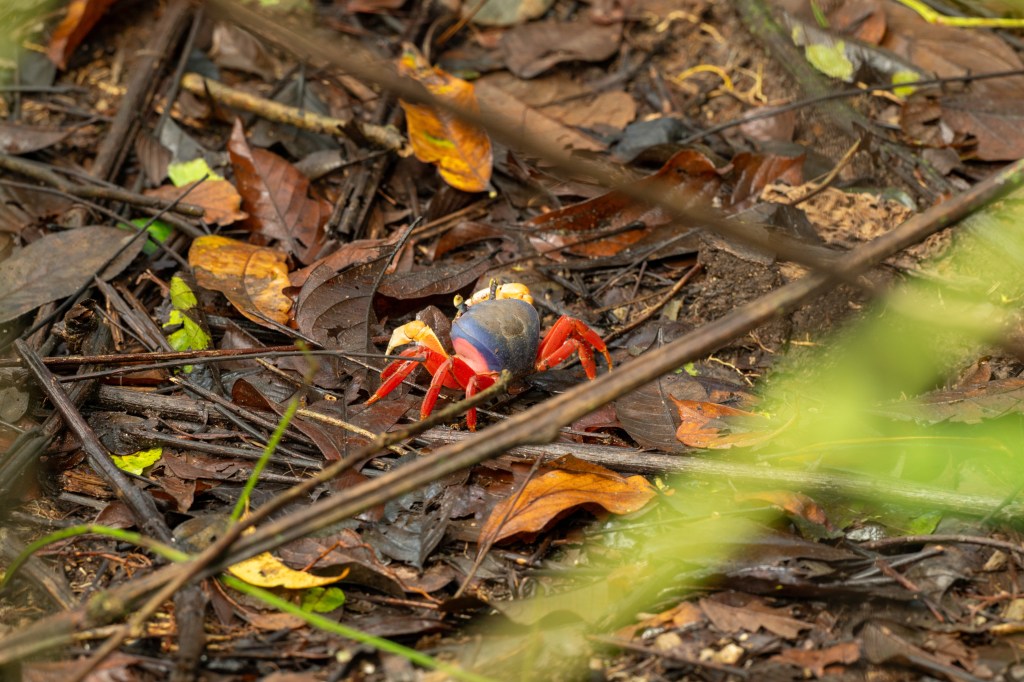
From a wildlife perspective, there’s a guided walk that lasts about 45 minutes. We saw a few insects, lizards, monkeys, crabs, and got a nice backward view of a sloth fast asleep.
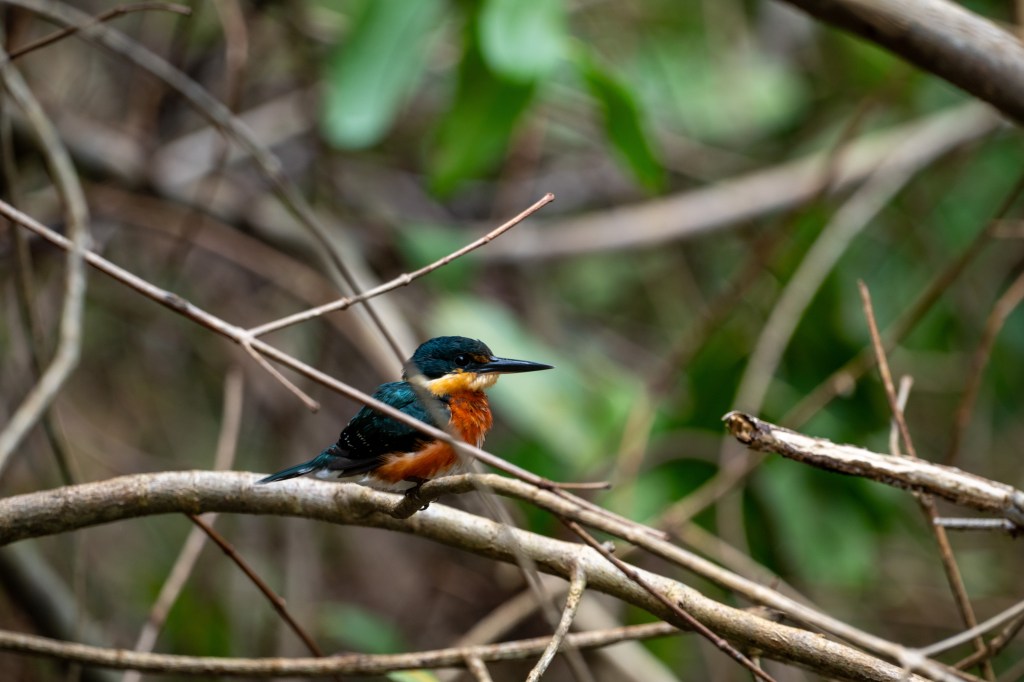
However, it was, in all honesty, a bit underwhelming. We saw more animals outside the national park than within. For example, we saw the following during a mangrove boat ride.
A pygmy kingfisher
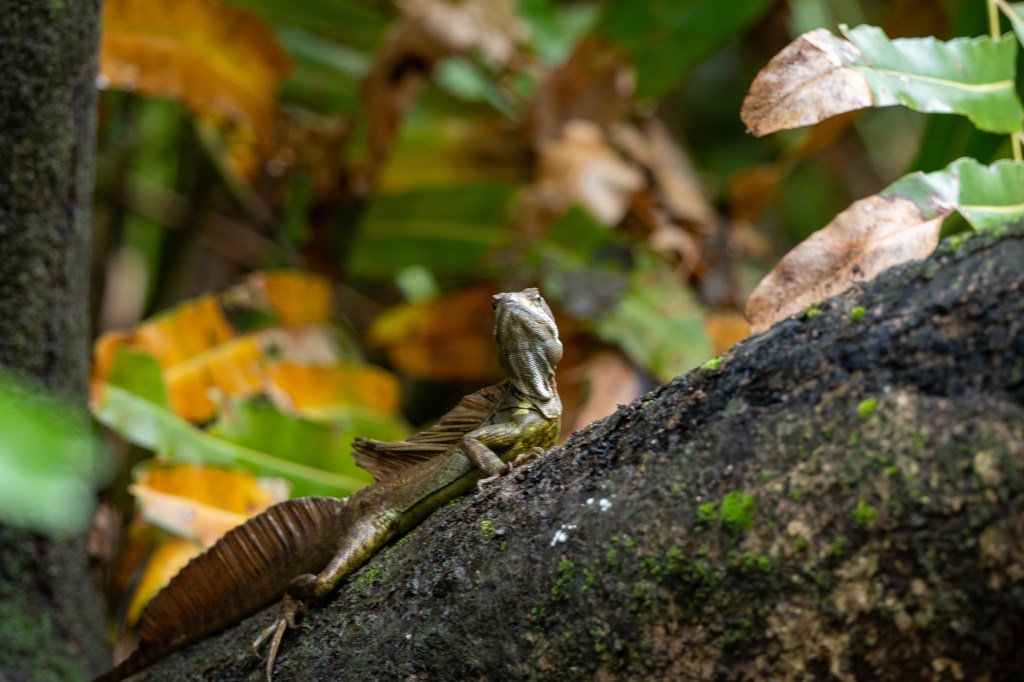
A basilisk or “Jesus Christ” lizard
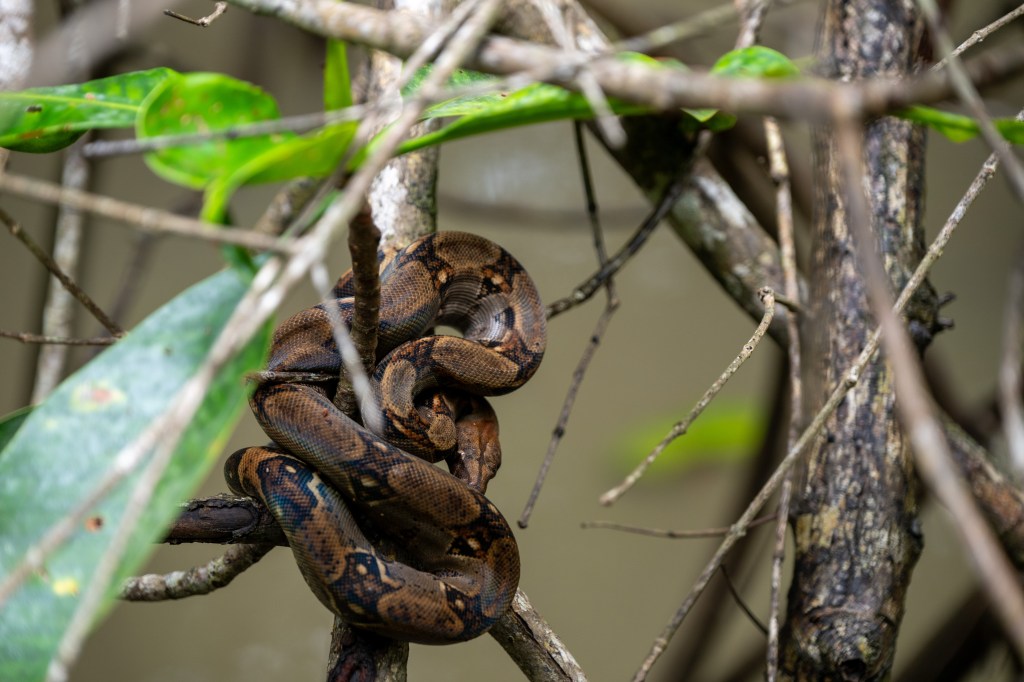
A young Boa
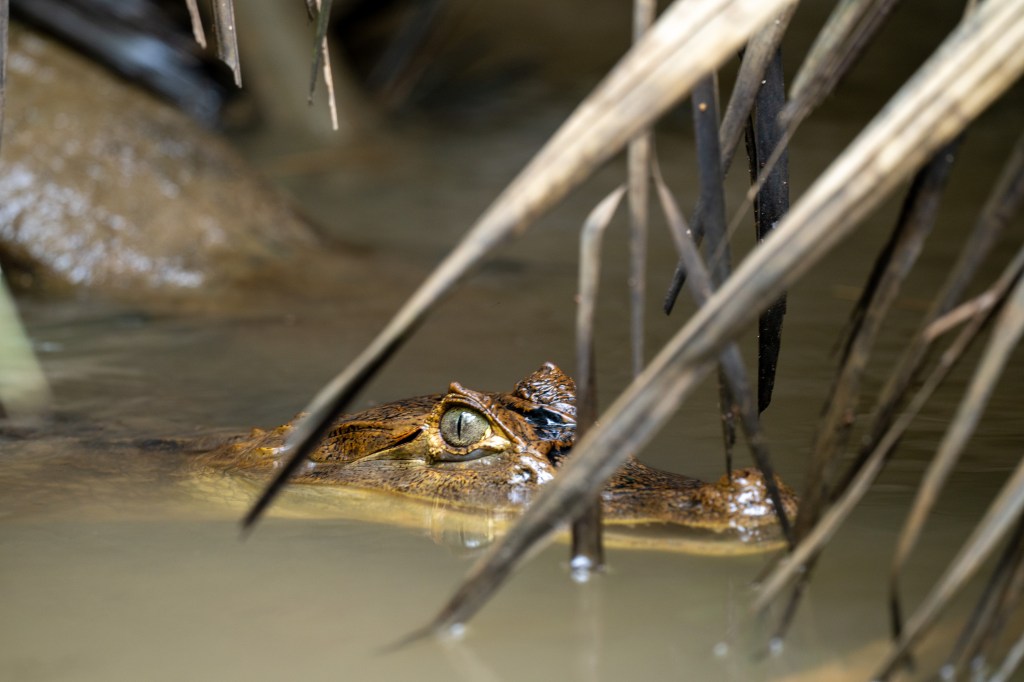
A spectacled cayman
So, there’s a lot to take in and around Manuel Antonio National Park – just not in the National Park itself.
I’ve been behind on this series featuring natural beauty (usually focused on National Parks) and I thought I’d catch up on the backlog over the next two weeks.
Singalila National Park is a small but stunning national park that straddles the border of India and Nepal. We went on a week-long trek covering 80kms along this national park about 14 years ago. And it remains a very memorable experience.
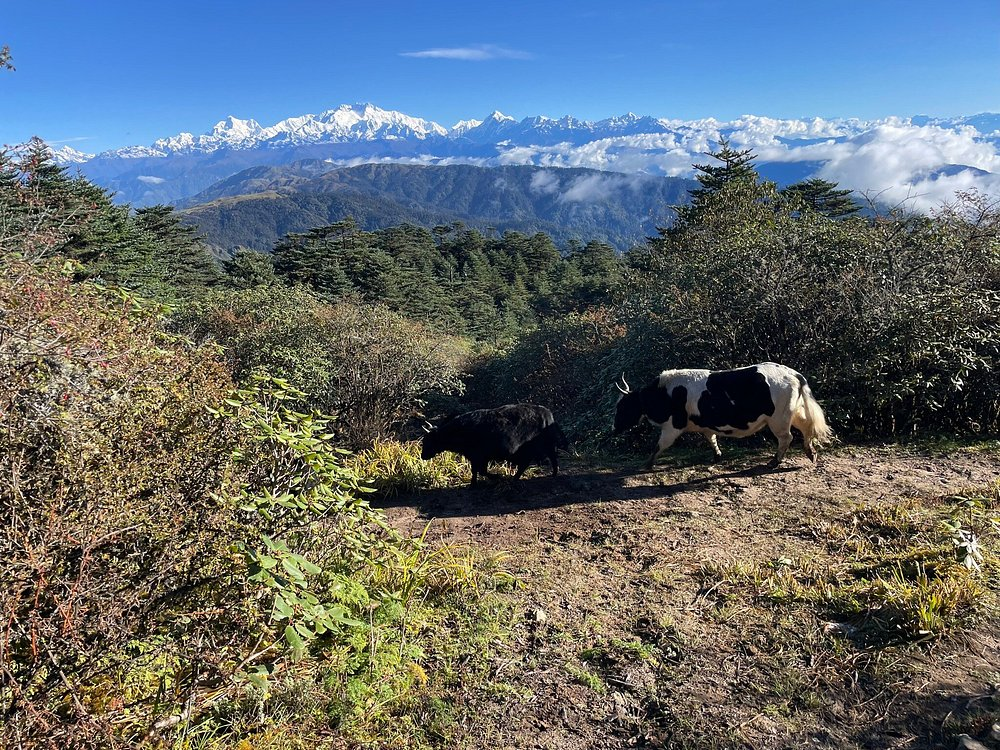
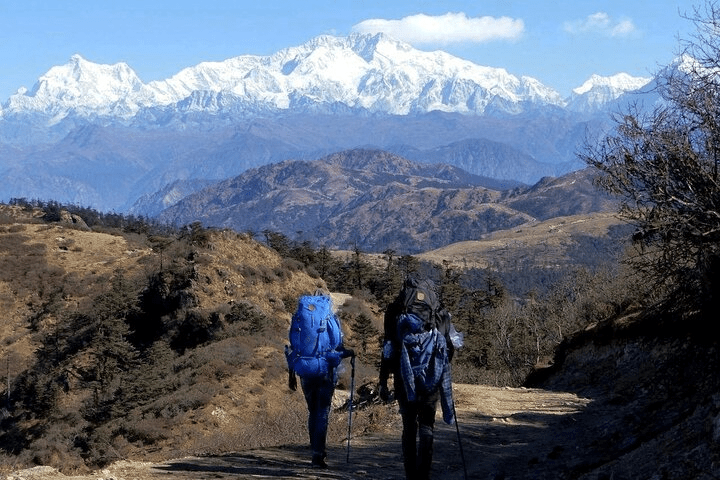
This one, unlike many others, I don’t have many photos of because the photos from the phone 15 years ago was low res. They looked like this.
There are three things that I remember from this trek.
The first is that it’s one of the rare places on earth where you’re surrounded by some of the world’s tallest peaks. Including Mount Everest and Mount Kanchenjunga. Mount Kanchenjunga famously looks like a sleeping Buddha.
However, we were mostly out of luck. Because all we saw was a lot of mist. The conditions were foggy almost throughout.
But the trekking itself had an ethereal feel. We were in the mountains with beautiful vegetation around us. We’d stop for food at the various villages and simple night stops.
The rainfall was torrential when it poured. When it first rained, everybody who thought they’d be okay with rain jackets just got completely drenched. We had to wrap ourselves in plastic cover-alls after that to escape the torrential rain and dry our shoes at night.
And the third and final memory was from our longest trek day. We’d walked 12-14 kms before stopping for lunch. We were famished – only to realize we were in such a remote area that lunch was just boiled potatoes with a salt dip.
It still ranks among the most satisfying meals of my life. And it is a story we keep retelling in conversations with our kids – when you’re hungry – really hungry, anything edible tastes delicious.
It was a rare experience to spend our time in the Himalayas for a week – one with nature. It brings fond memories to this day.
There’s a case study in European club football from the 2000s where Real Madrid’s president famously adopted a strategy called the Galactico strategy.
His goal was to assemble the world’s best players at their very peak with the goal of winning everything. This meant getting the likes of Zinedine Zidane, Luis Figo, David Beckham, and Ronaldo.
And despite having this expensive assembled squad, the Galactico strategy didn’t work well. Once all the stars landed, Madrid’s league/cup victories became fewer than before.
There were two reasons that became obvious in retrospect.
The first is that with so many stars, there were more egos than any manager could easily handle. Everybody expected to be playing all the time. And that took away the power from the hands of the manager.
The second is that it’s not enough to have stars in every position. It’s important to have fit, complementarity, and alignment. And that meant complementing these players with players that did the unsexy work.
For example, Claude Makélélé – a defensive midfielder for that team – left after he felt underappreciated. And, with him, any chances of success left too.
In any partnership and any team, it’s important to have great people. But it’s more important to have complementary skill sets and alignment.
Recently, I ran into somebody who gave me feedback about a mistake I made.
The details don’t matter as much as my reaction – initial defensiveness.
I recovered from that initial defensiveness eventually. But the guilt or shame of being caught in a moment that I didn’t think was representative of me stuck around. And I wasn’t able to find a way to reach them and respond properly.
I could have done way better in my response. And it would have been nice to get an opportunity to say that directly.
None of which happened.
Maybe it’s a reminder that we do make mistakes. And we need to be better at taking the feedback when that’s the case.
But we also have to be okay with the fact that not everybody’s going to know us at depth.
Some will only know us as a stranger who made a mistake.
One of the more important relationship decisions we make is whether we default to trust or default to distrust.
There are obviously trade-offs on both. And it depends a lot on what situation you’re in.
The benefit of defaulting to trust is that trust begets trust. People have a wonderful way of repaying the trust you place in them.
The downside, of course, is that once in a while, you’ll find somebody who will misuse that trust. And hurt you. Some in small ways, some in much larger ways.
Defaulting to distrust means you place a very high bar before you trust somebody. That obviously insulates you from those failures in trust.
But it also means you get to enjoy very little of the upside. Because trust is the foundation of great relationships.
My thesis is that while there are environments where distrust might be the dominant strategy, in most professional environments, defaulting to trust tends to be the way to go. There’s a lot more upside because the strength of the relationships you build often end up shaping the rest of your career.
There’s no right answer, of course. There’s just trade-offs. Don’t let a “policy change” be the outcome of a bad experience or a tough upbringing.
Best to choose our default intentionally and thoughtfully.
I was reminded of a time in high school when a gaming center called Crazy Planet opened up near home.
Crazy Planet had 10 computers hooked up to each other where you could play LAN games. This was a new experience for us. We hadn’t played too many video games (Playstations were too expensive). Computer games tended to be single player experience. Crazy Planet unlocked the opportunity to play together at a reasonable 30 rupees per hour to get into this dark room with haptics and amazing sound.
The game of choice was Counter Strike. We teamed up, 5 vs 5, went onto one of the maps, and played against each other.
It was our first taste of being in a virtual world while we screamed at each other in the real world. I remember how much it gripped us. It’s a core memory from that time.
There was even a time when I was extremely sick – with a fever well above 101 degrees. And it was on a day when a (wealthy) friend decided to host his birthday party with 3 hours at Crazy Planet.
I so badly wanted to go that I somehow convinced my family I was okay. It was a blast. I’m sure being sick was bad already. This didn’t help. I ended up missing school for a week and needed to treat a low platelet count.
But if you’d asked me then, or even if you ask me now, I would have taken that trade any day of the week.
We all graduated high school and went our separate ways to college. Many years later – I think it was 3 years after we started working – most of that group got together on a New Year’s evening.
We were debating what we should do to celebrate New Year’s. And someone came up with the idea that we all play Counter Strike. After an hour of set up, we spent the entire night playing Counter Strike. We played for 8 hours straight until the morning.
That was the last time we played Counter Strike and it was probably the best New Year’s get together we ever had.
It’s amazing to think that this simple game was part of such core memories. This trumped any educational trip or formal milestones. It was simply a dark room with friends playing video games.
And we appreciated it a whole lot more because we didn’t grow up with it. It was a lovely period of time – but in just the right amounts.
Many lessons there about shared experiences and moderation.