
#OurWorldIsAwesome – Edition 23 | Context on this series – we live in a beautiful world and National Parks are akin to the crown jewels of this planet. These landscapes remind us of the fine balance and complexity woven into the fabric of the world around us. Every time I spend a while inside one of these places, I’m reminded of how precious that balance is, and how much it matters that we try to understand the complexity and our own small role within it.
I think that’s what awe really is. We reach for the word “awesome” in the moments something helps us see our own insignificance — and windows into nature do that for me every time. So this is my small way of sharing it, and passing it along.
It’s hard to visit Jasper and not reckon with the wildfire of 2024. The evidence goes on for miles — hillside after hillside of blackened, branchless trunks. It feels like walking through a forest graveyard.
It was fascinating to understand the why. For thousands of years, the Indigenous people who lived here understood fire as part of a healthy forest — regular, small burns that cleared out dead wood and made room for new growth. They regularly left their campfires burning because the campfire itself told them something about the forest’s health: in a healthy forest it would burn out on its own. In a sick one, thick with deadfall, it would burn and burn.
When the parks were established, that knowledge was pushed out along with the people who held it. Officials suppressed fire for the better part of a century, and the dead wood kept piling up. Jasper, like many National Parks, has since embraced prescribed burning — but it’s playing catch-up against a hundred years of accumulated fuel.
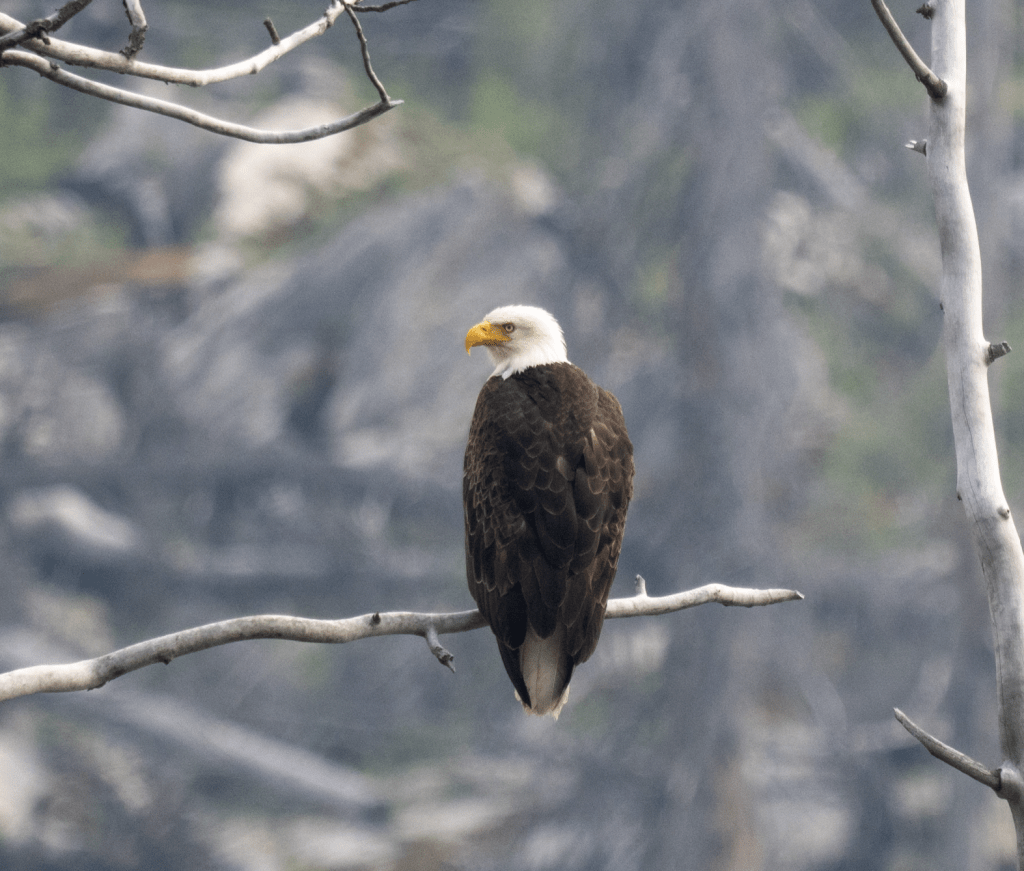
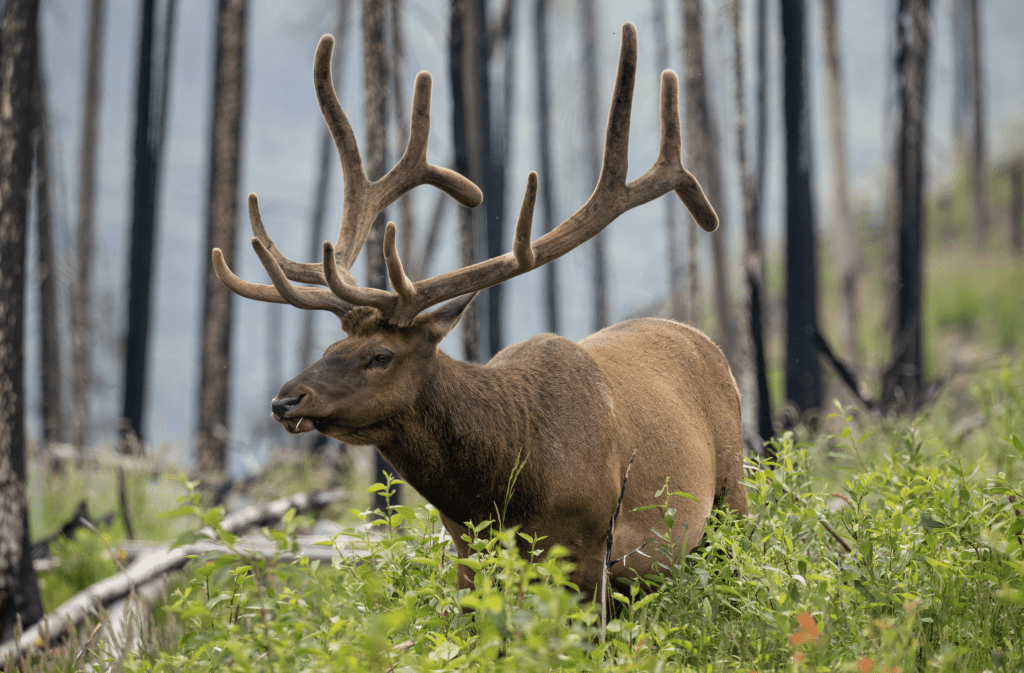
The second amazing thing about the park was the wildlife. For all its remoteness and wildness, Jasper teems with life. Barely a drive along Maligne Lake Road or up to Miette Hot Springs passed without some encounter — an animal at the roadside, a herd in the trees.

My last memory came on the boat across Maligne Lake, out to Spirit Island — one of the canonical images of the Canadian Rockies. High treelines, still water, and trees without end. It has everything that makes these majestic Rockies what they are.

On that same boat, a park ranger said something that’s stayed with me. Home, for most of us, is a place — an address, four walls. For the Indigenous people of this land, she said, home is wherever the sun touches your skin.
It’s a far more expansive way to think about the word. And it leaves a question worth carrying long after you leave: what would the world feel like if we treated every place the way we treat home?

