Cold Comforts

Eric Weiner, one of my favorite writers, had another lovely post on his Substack newsletter.


I wake, heavy-eyed and disoriented. Outside, it is cold and it is dark. Very dark. I glance at my watch. 11:30 a.m. Such is life in Arctic Finland this time of year. The sun will make a cameo appearance for an hour or two, emitting just enough light to turn the sky an eerie grey-blue before disappearing again for another twenty-two hours.

As I step outside, I am met by a cold unlike any I have experienced before. A cold that cuts through my layers and shakes me awake.

My Finnish friend, Mika, warns me not to touch anything metal.

“Why,” I ask?

“Because your skin might stick to it.”

It may seem like another planet, but the Arctic is merely the natural extension of the cold logic of winter. As the days shorten, the list of ways to die grows longer. We shovel. We layer. And we complain.

Winter is the season that gets no respect. An interval between autumn and spring that must be endured. An inconvenience at best. John Updike took an especially dark view of winter. “The cold,” he wrote, “has the philosophical value of reminding us that the universe does not love us.”

Updike is not alone in his disdain for winter. One survey found that two-thirds of Americans prefer hot weather to cold weather and would rather live in a hot place than a cold one.

Not me. I lived in Miami for a few years and that was enough. The heat was brutal and relentless. Sweating that much is not natural. I craved the cold. I craved Duraflames and sweaters and thick, fluffy socks. Most of all, I craved a ready excuse to say no.

Winter is the season for introverts. Unlike spring and summer, winter does not demand that we garden or barbecue or torture ourselves into beach-shape. Winter lets us be. Winter says, “Whoa. Where are you going? It’s cold out there. Stay here where it is warm and safe. People will understand.”

Winter is a pause, a reset. The cold strips the trees, clearcuts the detritus of the previous year, and we can begin again. On a more prosaic level, winter gives us options: you can always add another layer of clothing; you can’t remove a layer of skin.

Winter is more than a counterpoint to summer, the freeze that enables us to appreciate the thaw. It possesses a meaning, and a beauty, all its own. Standing on a frozen lake in northern Finland, I experienced a stillness so pure and full it took my frozen breath away. My reaction is not unique. Arctic explorers, like Admiral Richard Byrd, reported similar experiences:

“Here were the imponderable processes and forces of the cosmos, harmonious and soundless. Harmony, that was it! That was what came out of the silence — a gentle rhythm, the strain of a perfect chord, the music of the spheres, perhaps. It was enough to catch that rhythm, momentarily to be myself a part of it. In that instant I could feel no doubt of man’s oneness with the universe.’”

There are other, surprising benefits to the cold. The happiest nations in the world are not tropical paradises. They are cold, dark places, such as Finland, Denmark and Iceland. Why? I have a theory. I call it the Get-Along-Or-Die Theory. In warm places, life is too easy; your next meal simply falls from a coconut tree. Cooperation with others is optional. Not so in cold places. Everyone must work together to ensure a good harvest or a hearty haul of cod. Or everyone dies. Together.

Necessity may be the mother of invention, but interdependence is the mother of affection, and the cold its midwife.

During hot summers, we take everything for granted (with the possible exception of central AC.) In the winter, we take nothing for granted. Every scarf, every hand warmer, every cup of hot chocolate represents a minor miracle. Gratitude is winter’s harvest.

Cold is not merely the absence of heat. It is a presence. It is “the nothing that is,” as Wallace Stevens said in his poem, “The Snowman.

On warm days, we turn outward and seek adventure. On cold days, we turn inward and seek the warmth of human, or canine, company and the simple pleasures of reading a good book by the light of the fireplace. Even grouchy John Updike acknowledged this. “I like winter,” he wrote, “because it locks me indoors with my books, my word processor, and my clear and brittle thoughts.” Winter, alas, is the season for writers too.


I shared it in full because I find something so magical about Eric’s writing.

It is beautifully descriptive. I can imagine what it must be like in Arctic Finland and almost feel a shiver.

It reveals profound insights about a topic that is so commonplace. “Winter is the season that gets no respect. An interval between autumn and spring that must be endured. An inconvenience at best.”

Or “Winter is the season for introverts. Unlike spring and summer, winter does not demand that we garden or barbecue or torture ourselves into beach-shape. Winter lets us be. Winter says, “Whoa. Where are you going? It’s cold out there. Stay here where it is warm and safe. People will understand.”

Or “In the winter, we take nothing for granted. Every scarf, every hand warmer, every cup of hot chocolate represents a minor miracle. Gratitude is winter’s harvest.”

And, yet, it is pithy and concise – you can get through the whole piece quickly and you can almost feel just how economically he’s used words.

Well written prose is a thing of beauty.
Hobbiton

#OurWorldIsAwesome – Edition 21


Nearly every place featured in this “world is awesome” series has been a national park. The only exception so far has been Lauterbrunnen Valley – which really would be a national park in any other part of the world except Switzerland, where breathtaking beauty is amusingly commonplace.

New Zealand is another such place. And it felt right to make an exception for the Hobbiton Movie Set, located on a private sheep farm in Matamata.

The reason I wanted to make this exception is because so much of the joy of visiting New Zealand and checking out its famous landmarks is going back to scenes from the incredible Lord of the Rings trilogy – which in many ways was an ode to New Zealand. And when you think about the trilogy, the place that most signifies the beauty of Middle Earth is the Shire.

We were incredibly excited to check out what the Shire might look like in real life. And even though we went with high expectations, it still managed to blow us away.

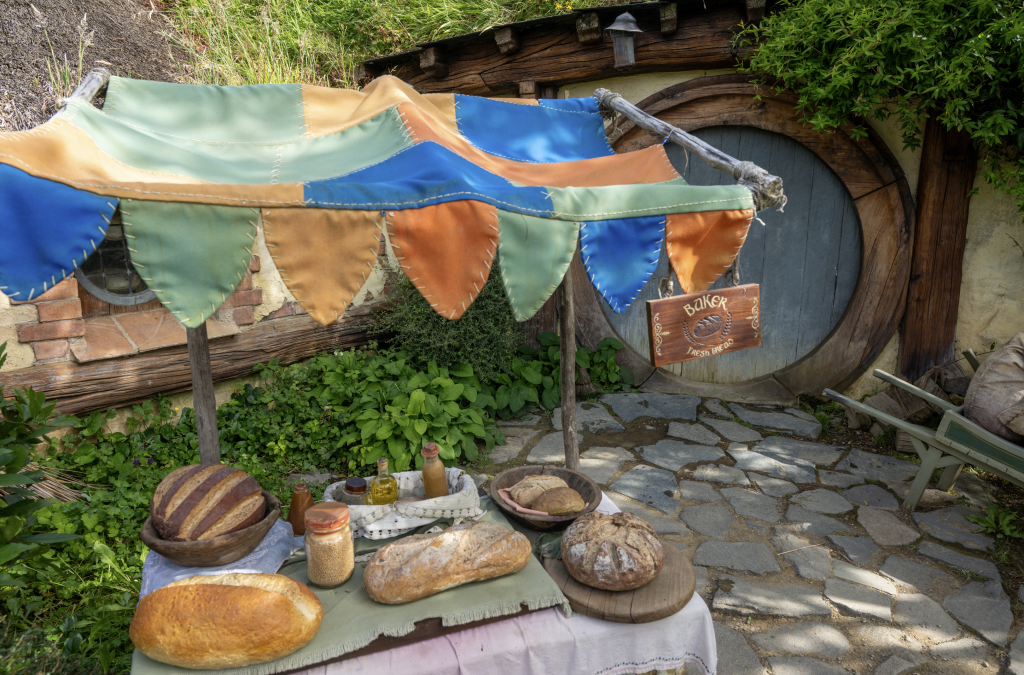
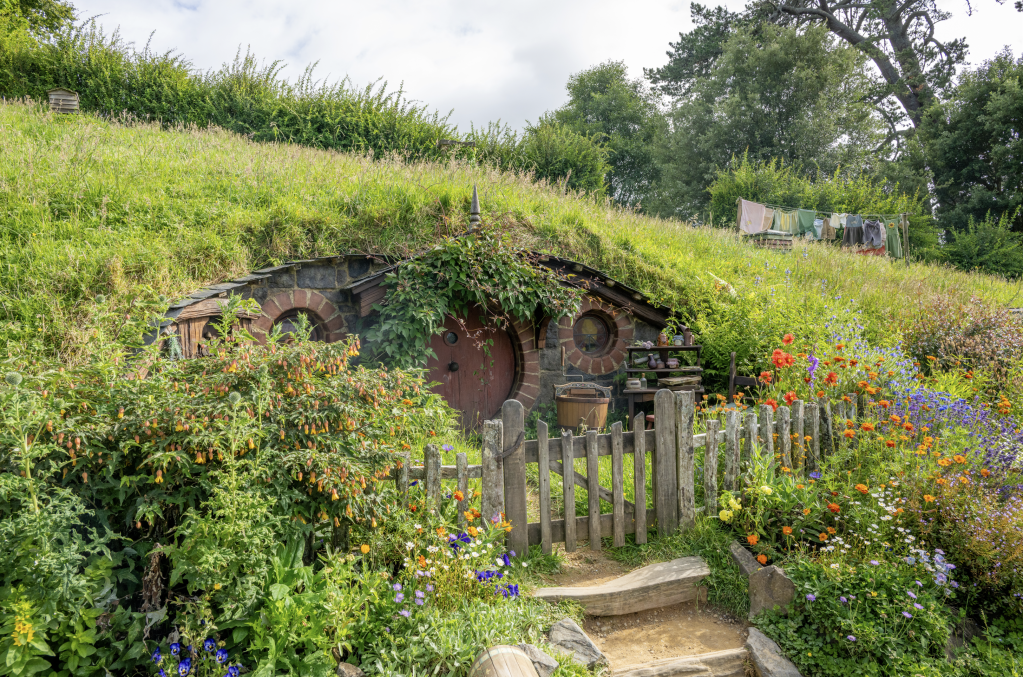
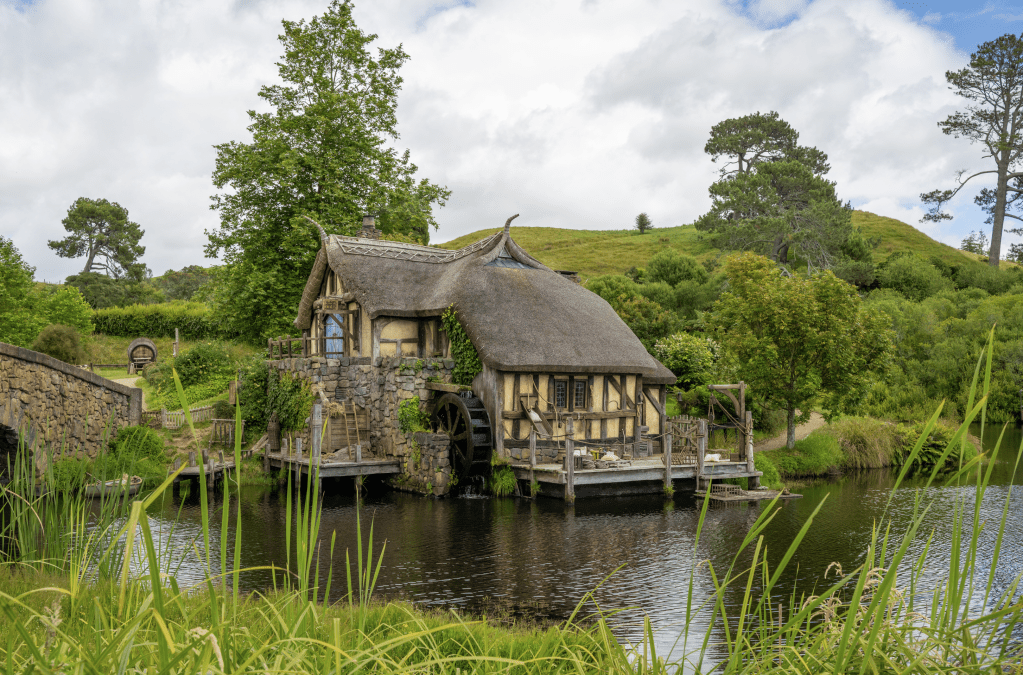
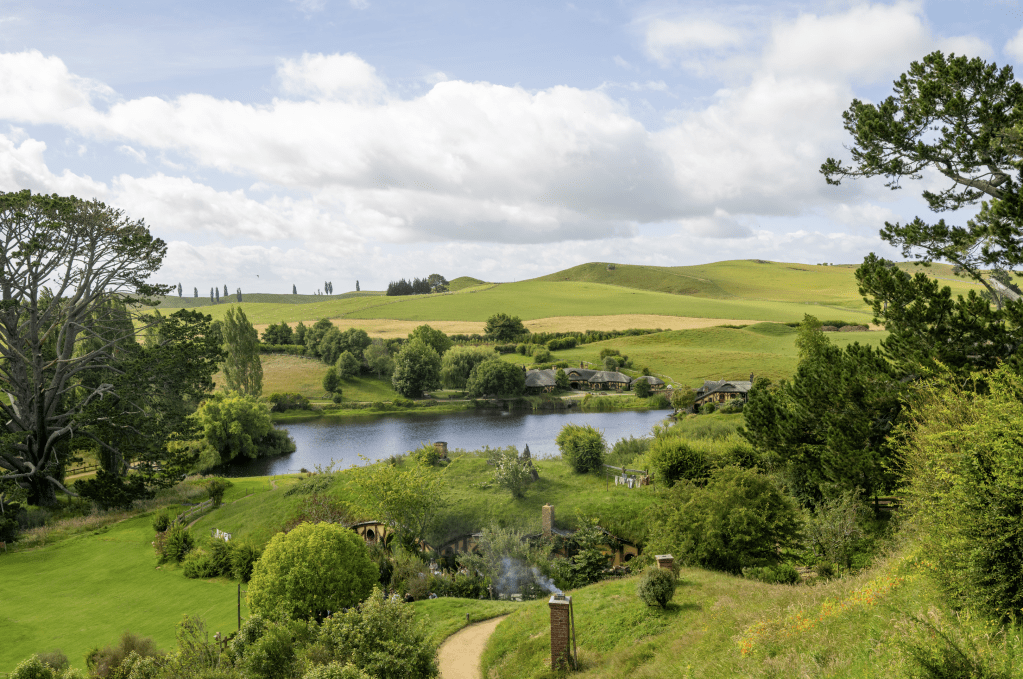
The set beautifully brings together those rolling green hills, the water body, and the hill with the Party Tree. It has 44 hobbit holes – most of them are just facades with no interiors.

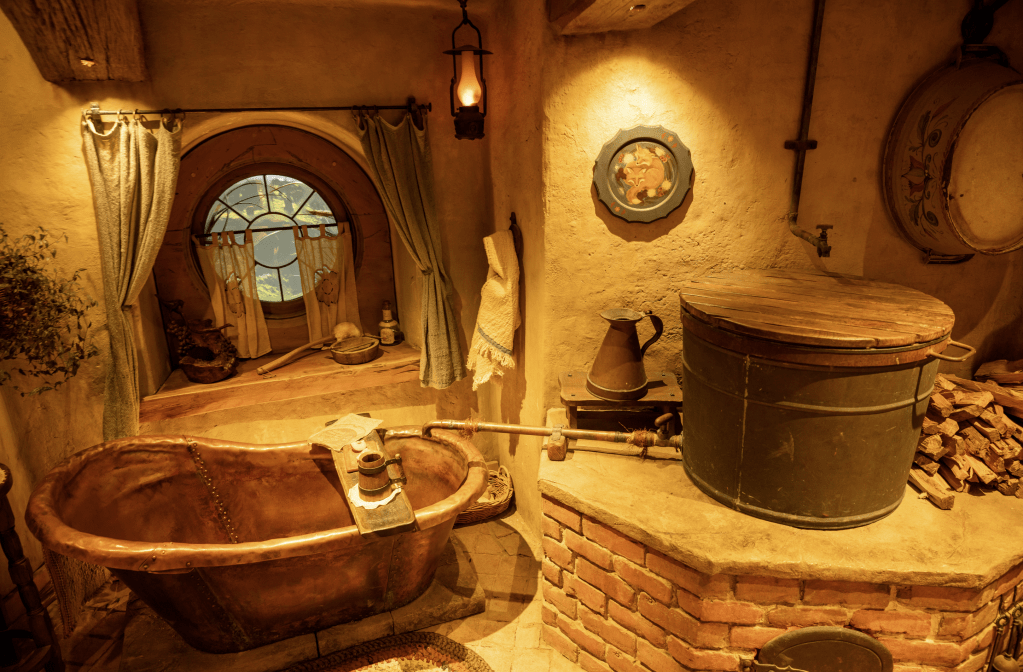
But there is a fully functioning pub on site – the Green Dragon Inn – and one hobbit hole that’s been converted into a full-scale home with incredible attention to detail.

And there are so many wonderful stories. Like the frogs who were so loud they had to be transferred out during shooting. Like the many tales of Peter Jackson’s attention to detail and ingenuity. Like the fact that they imported a special oak tree piece by piece and assembled it above Bag End to give it that signature look.

And even the fact that despite the many thousand sheep on the farm. Peter Jackson flew in a set of sheep from a different part of New Zealand because he felt they looked less modern and more Middle Earth-y. As the folks on the farm joked – the local sheep were devastated and still haven’t recovered from the shame of that choice.

Mostly, what’s special about Hobbiton is the incredible attention to detail. You feel like you’re in the movie. It is as gorgeous as you hope it would be – and maybe some more. Every time you hear Howard Shore’s wonderful soundtrack or are thinking about Gandalf entering with Bag End playing – either at the pub or on the bus or when you’re staring at the mill – you’re immediately transported to Middle Earth. It is a place that evokes magic.

It is no wonder that Hobbiton is one of New Zealand’s top tourist destinations. And despite being just one among the many thousands who spent a couple of hours in the Shire, it still remained a highlight of what was a very special trip.

Fiordland National Park

#OurWorldIsAwesome – Edition 20


Fiordland National Park is New Zealand’s largest national park – an incredible 12,600 square kilometers. It has 14 fiords carved by glaciers over millions of years, and most of the park is completely inaccessible and has never been explored.

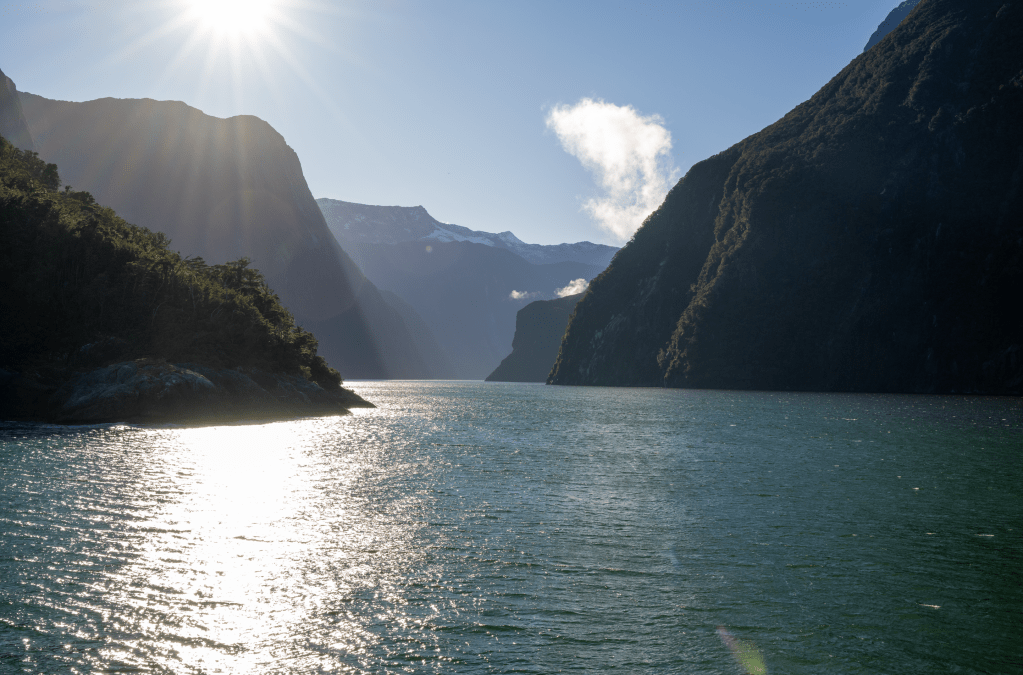
The two fiords that are accessible are Milford Sound – actually incorrectly called a sound (which are carved by rivers vs. fiords carved by glaiers) when it was first named – and Doubtful Sound, so called because European explorer Captain Cook sailed past it but didn’t enter because he was doubtful he could sail back out. :-) This is a view of the entrance into the Sound.

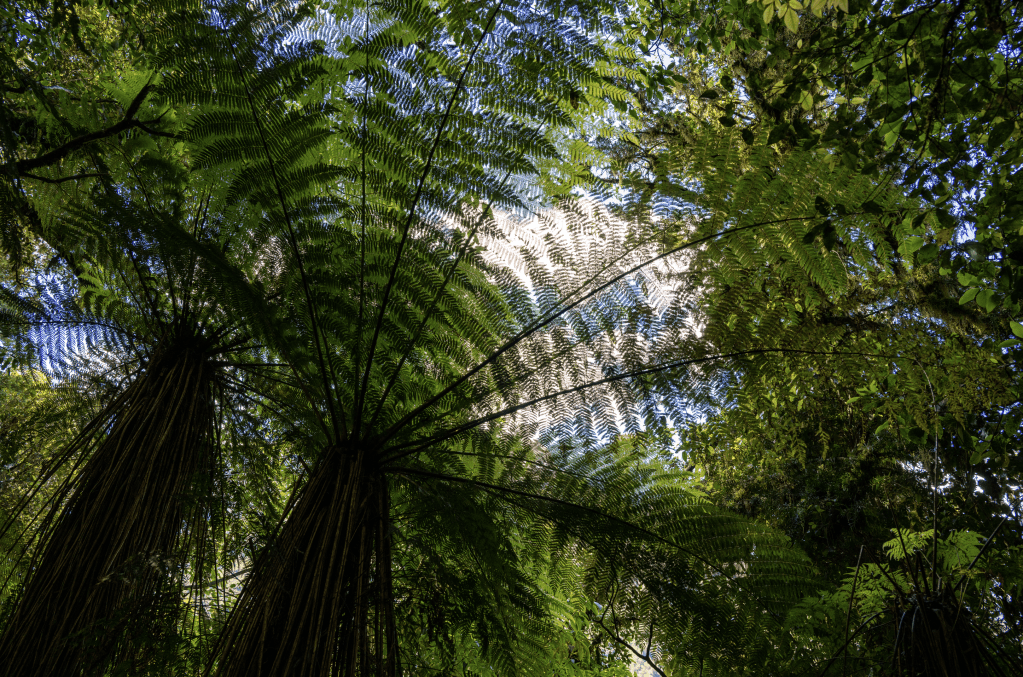
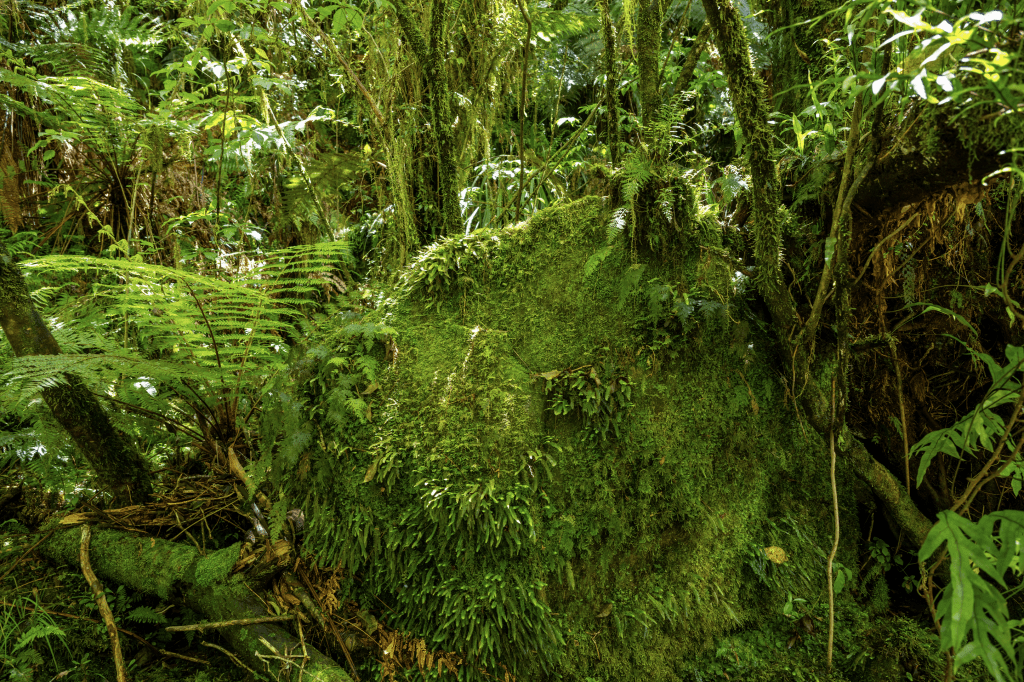
Milford Sound and the broader Fiordland National Park may be one of the most special places on the planet. Milford Sound, for example, gets 7 to 8 meters of rain every year. As a result, you see rocks and mountains covered with layers of moss and massive ferns.

These form such strong root systems that you see entire trees growing on hard rock. However, the absence of soil means the ecosystem is prey to “tree avalanches” that, then, hits reset and the whole cycle starts again.

There’s a saying among the locals that you must visit Milford Sound on a day when it rains and a day when it’s sunny.

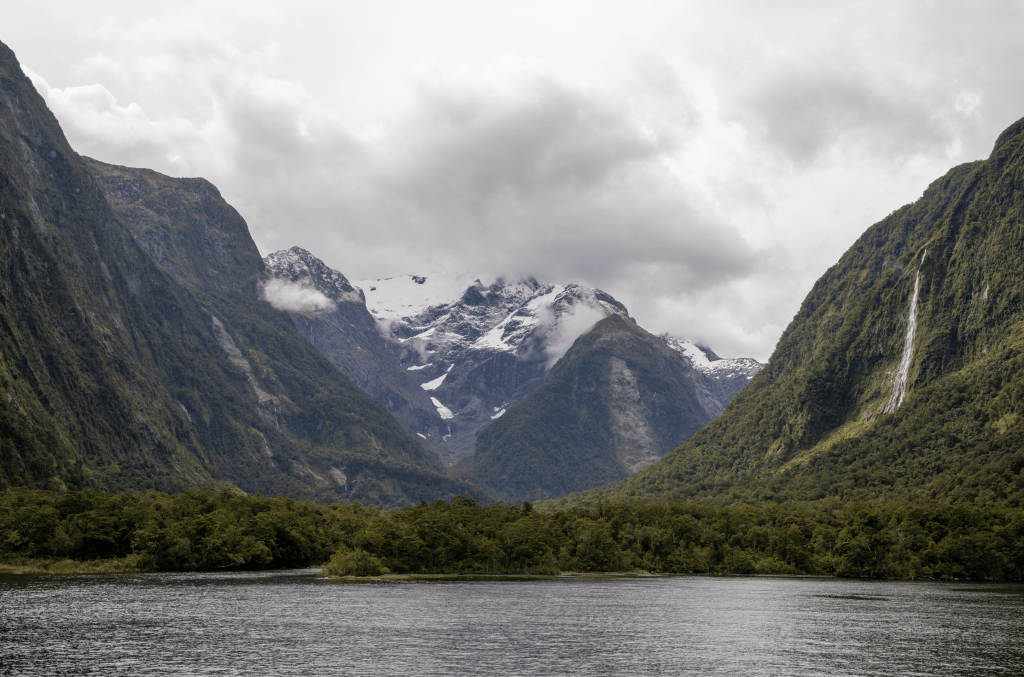
The sun, obviously, makes it beautiful to explore – especially if you decide to walk the world-famous Milford Track. While it’s normally a 4-day walk, you can do a day version and cover 10 to 15 kilometers yourself. The sun enables us to appreciate the uniqueness of this ecosystem – this view for example is the only place on earth that has the ocean, a rainforest and glaciers in one shot.

Before I come back to Milford Sound in the rain, it is worth talking about the only downside of this place -> sandflies. The Māori legend is that they were created to ensure people didn’t stick around this most beautiful place on earth. You do need plenty of sandfly repellent – and even then, you might not be so lucky. We weren’t.

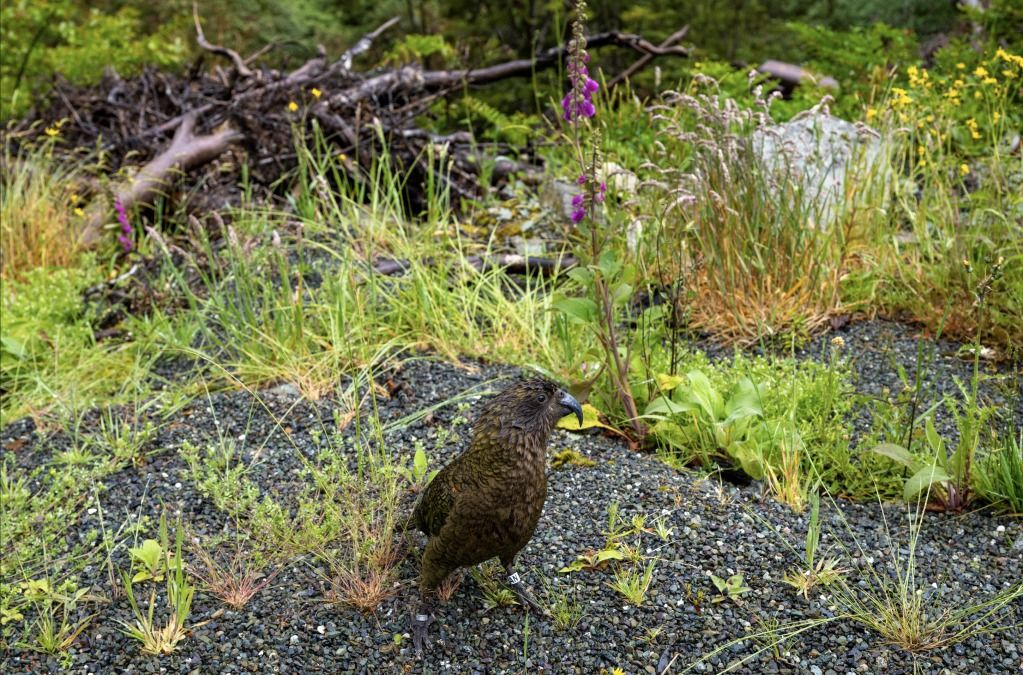
It is fascinating to think that this entire ecosystem evolved without any snakes or predators. We were able to spot local wildlife — the famous Kea bird (the world’s only Alpine parrot)

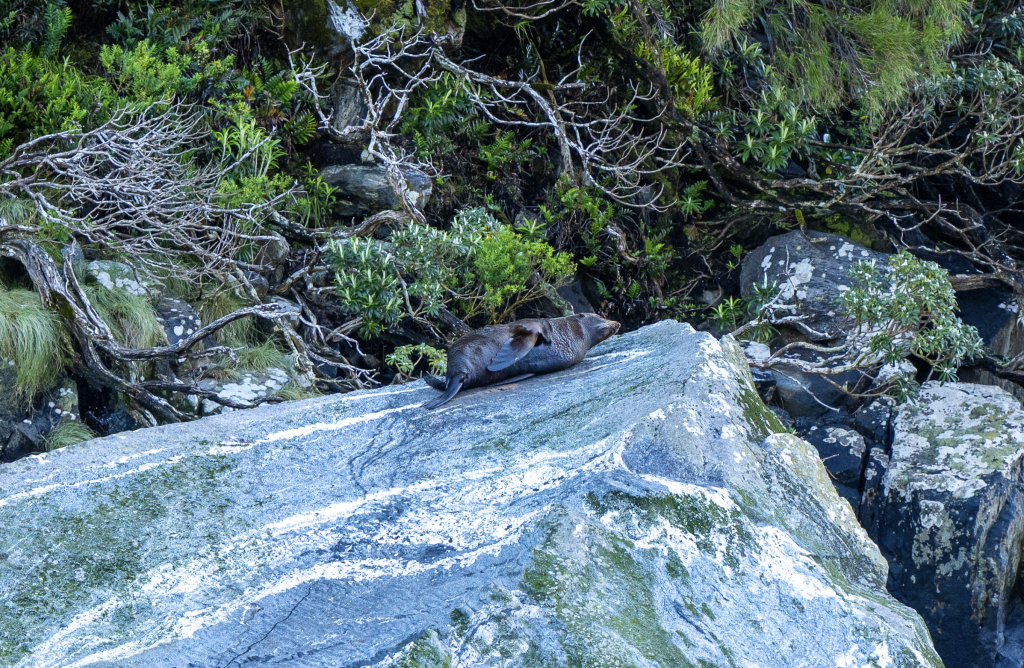
a fur seal (below) and even a brief sighting of Bottlenose dolphins.

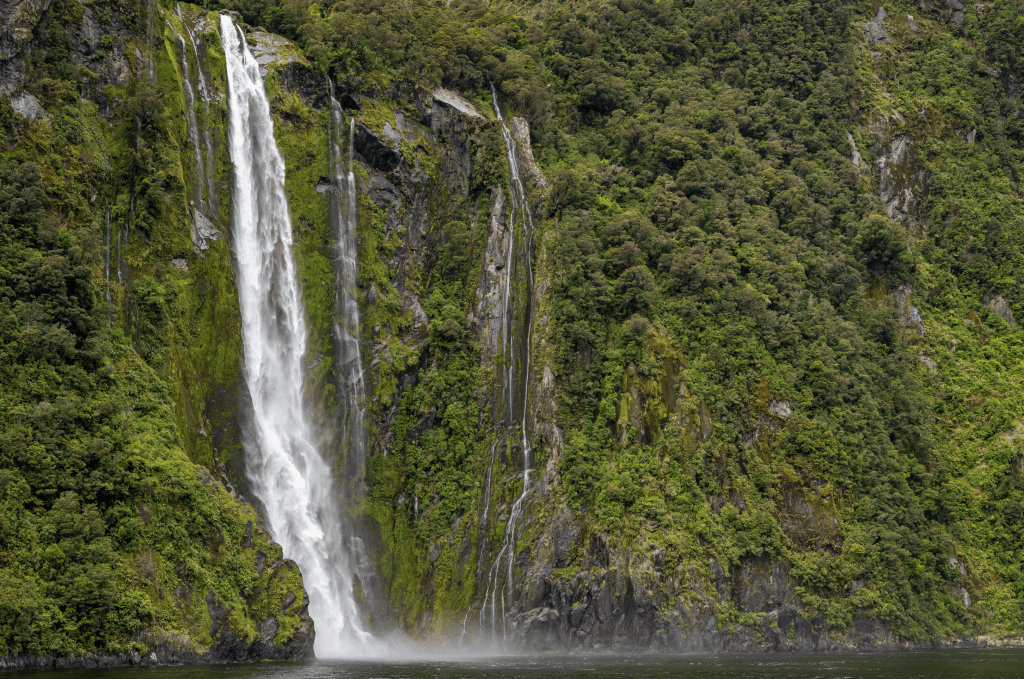
Milford Sound has overnight cruises where you get to experience the fiord at night and see the many waterfalls within. There are two permanent waterfalls, both of stunning scale – one of them is three times the height of Niagara Falls.

Though the size and sheer scale of the fiords just normalizes it all. The other one just gushes and mesmerizes you along the way.

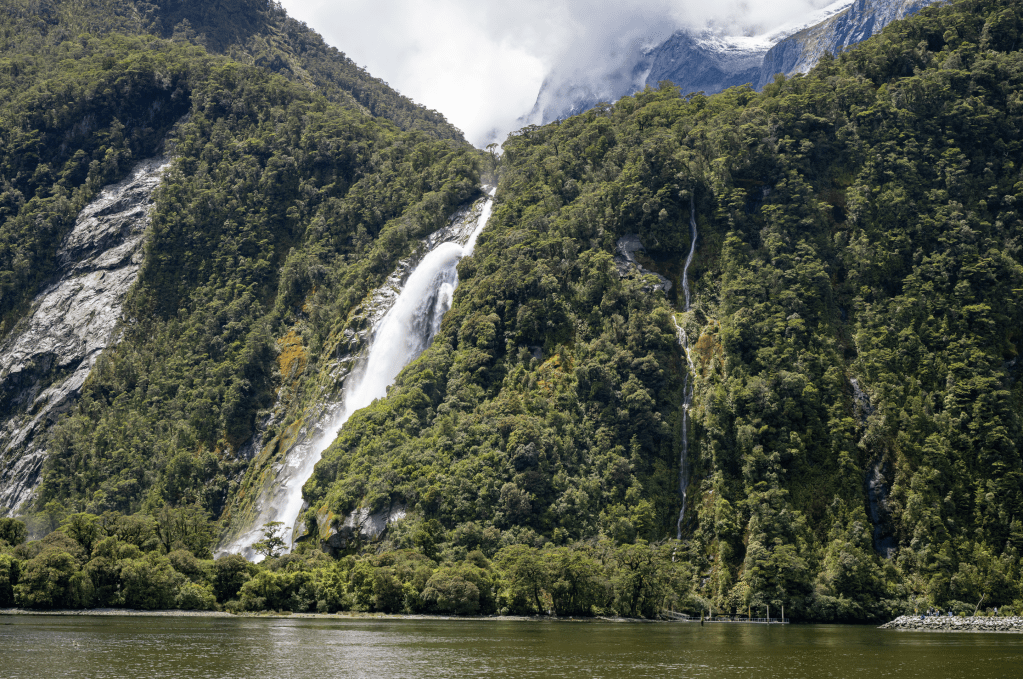
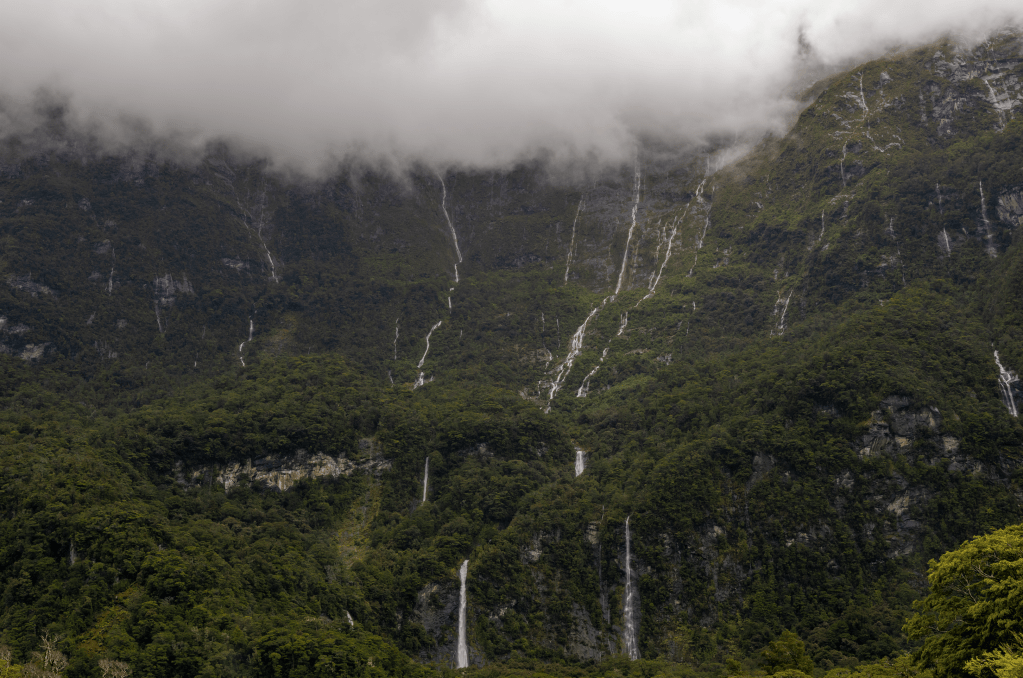
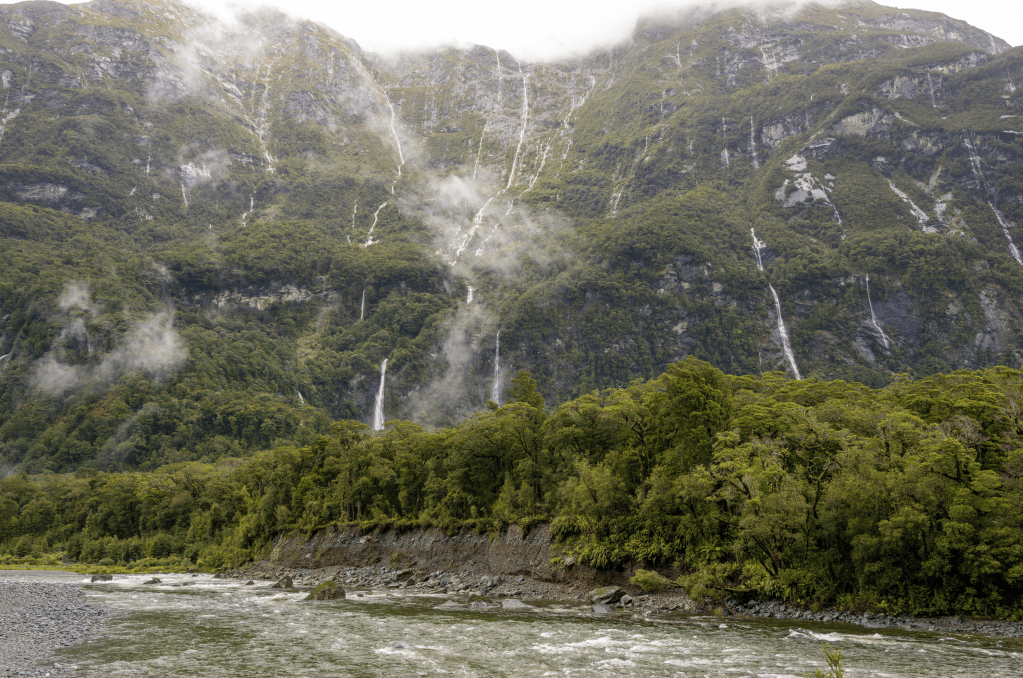
Now let’s get back to why you hope to see Milford Sound in the rain. The rain creates hundreds of temporary waterfalls. So, you’re just surrounded by cascade after cascade after cascade.

One of the things that makes waterfalls so special is how rare they typically are. If you’re a regular hiker and you go to most national parks, hikes are usually organized around waterfalls. You go on a 2 or 3 hour hike, maybe you see one beautiful waterfall at the end of it, you stare at it for some time, soak it in, and then walk back. That’s normal…

…and then you show up at Fiordland National Park. And you’re treated to a buffet. You look left, you look right, you look all around. And on a rainy day, you just don’t know what to make of it.

We entered Milford Sound on one such rainy day and were lucky to have booked the Milford Sound Lodge – the only place to stay at Milford Sound (hospitals and groceries are 2 hours away). It was honestly hard to believe it was real. It felt like we were in a fairy tale. It was mesmerizing. We spent hours just staring out at the waterfalls.

That magic is just hard to describe.