
#OurWorldIsAwesome – Edition 20
Fiordland National Park is New Zealand’s largest national park – an incredible 12,600 square kilometers. It has 14 fiords carved by glaciers over millions of years, and most of the park is completely inaccessible and has never been explored.
The two fiords that are accessible are Milford Sound – actually incorrectly called a sound (which are carved by rivers vs. fiords carved by glaiers) when it was first named – and Doubtful Sound, so called because European explorer Captain Cook sailed past it but didn’t enter because he was doubtful he could sail back out. :-) This is a view of the entrance into the Sound.
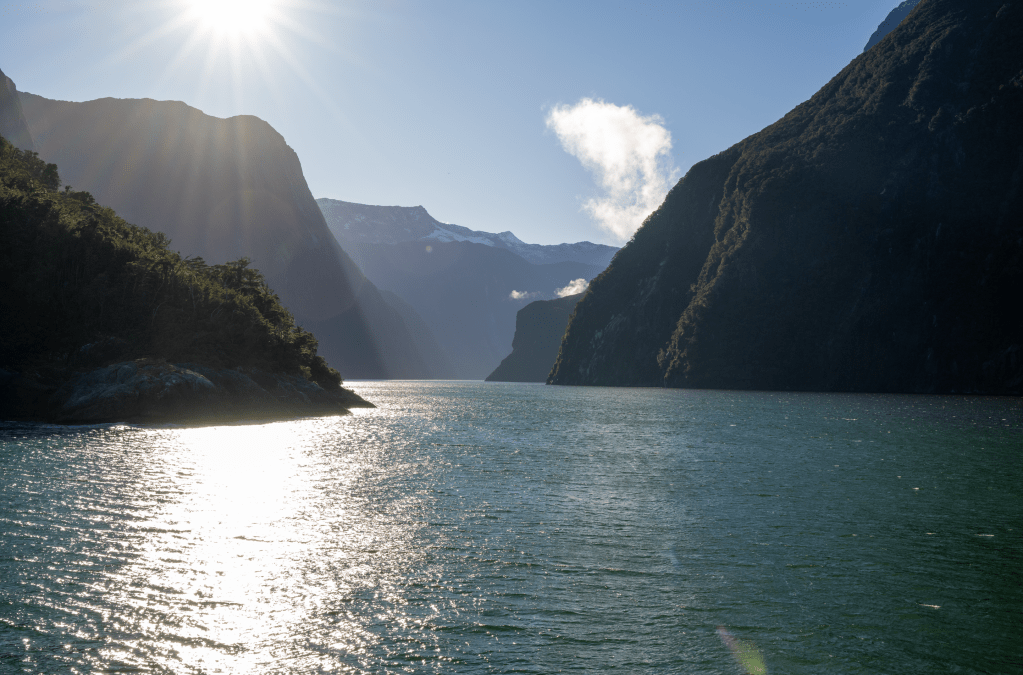
Milford Sound and the broader Fiordland National Park may be one of the most special places on the planet. Milford Sound, for example, gets 7 to 8 meters of rain every year. As a result, you see rocks and mountains covered with layers of moss and massive ferns.
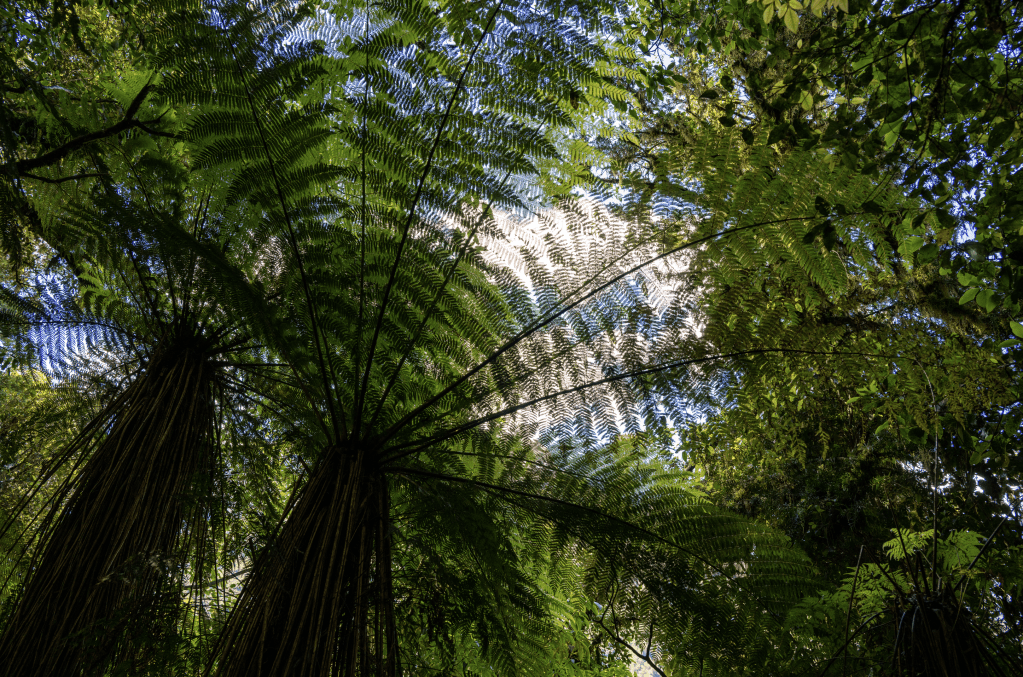
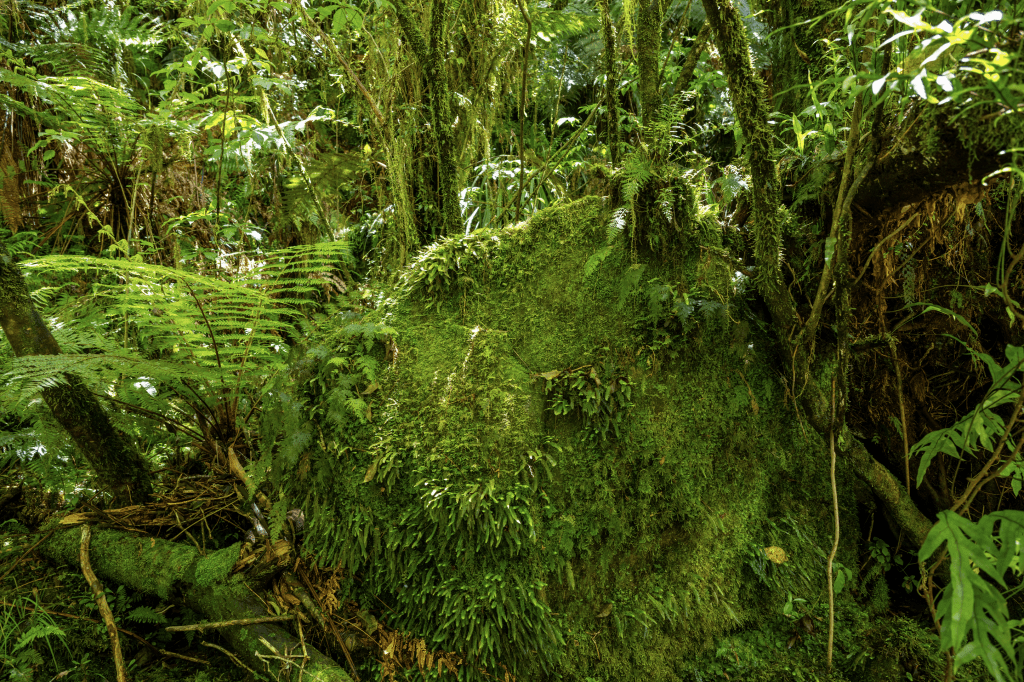
These form such strong root systems that you see entire trees growing on hard rock. However, the absence of soil means the ecosystem is prey to “tree avalanches” that, then, hits reset and the whole cycle starts again.
There’s a saying among the locals that you must visit Milford Sound on a day when it rains and a day when it’s sunny.
The sun, obviously, makes it beautiful to explore – especially if you decide to walk the world-famous Milford Track. While it’s normally a 4-day walk, you can do a day version and cover 10 to 15 kilometers yourself. The sun enables us to appreciate the uniqueness of this ecosystem – this view for example is the only place on earth that has the ocean, a rainforest and glaciers in one shot.
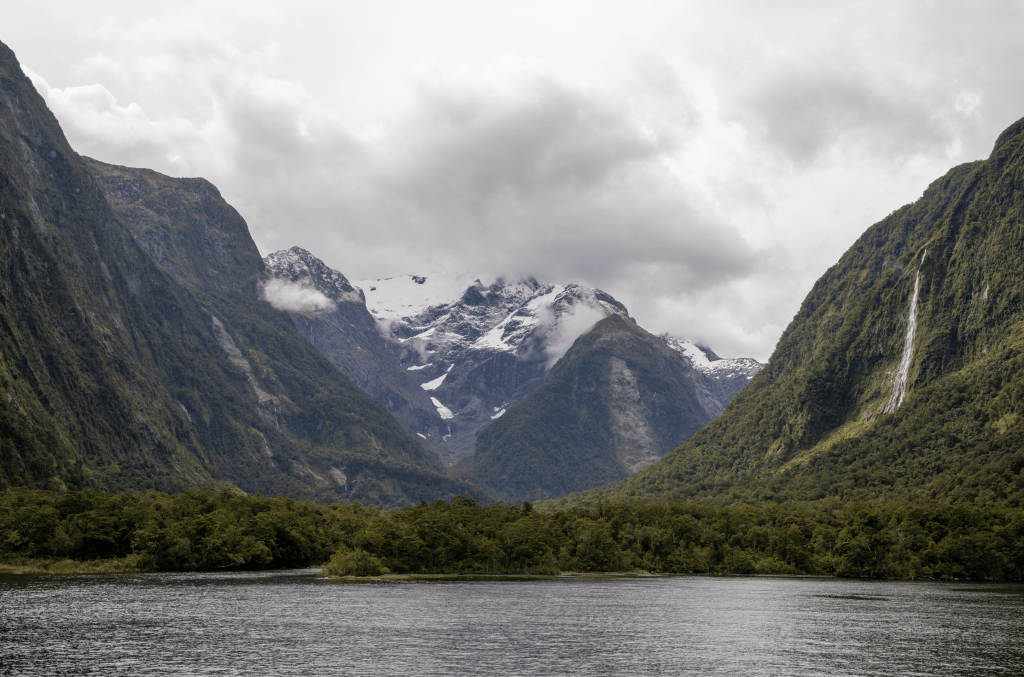
Before I come back to Milford Sound in the rain, it is worth talking about the only downside of this place -> sandflies. The Māori legend is that they were created to ensure people didn’t stick around this most beautiful place on earth. You do need plenty of sandfly repellent – and even then, you might not be so lucky. We weren’t.
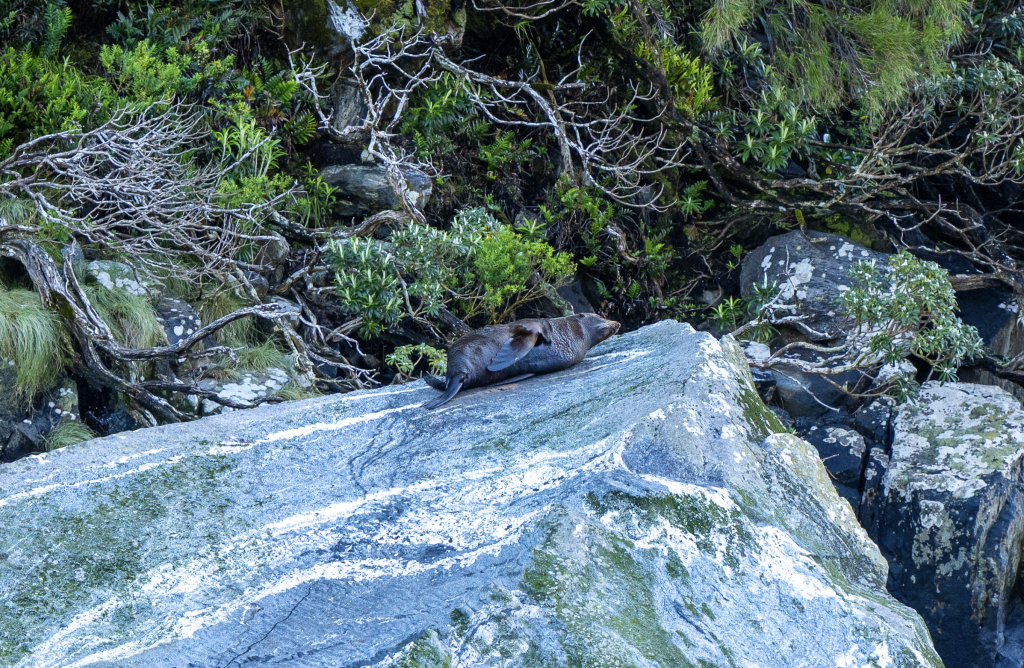
It is fascinating to think that this entire ecosystem evolved without any snakes or predators. We were able to spot local wildlife — the famous Kea bird (the world’s only Alpine parrot)
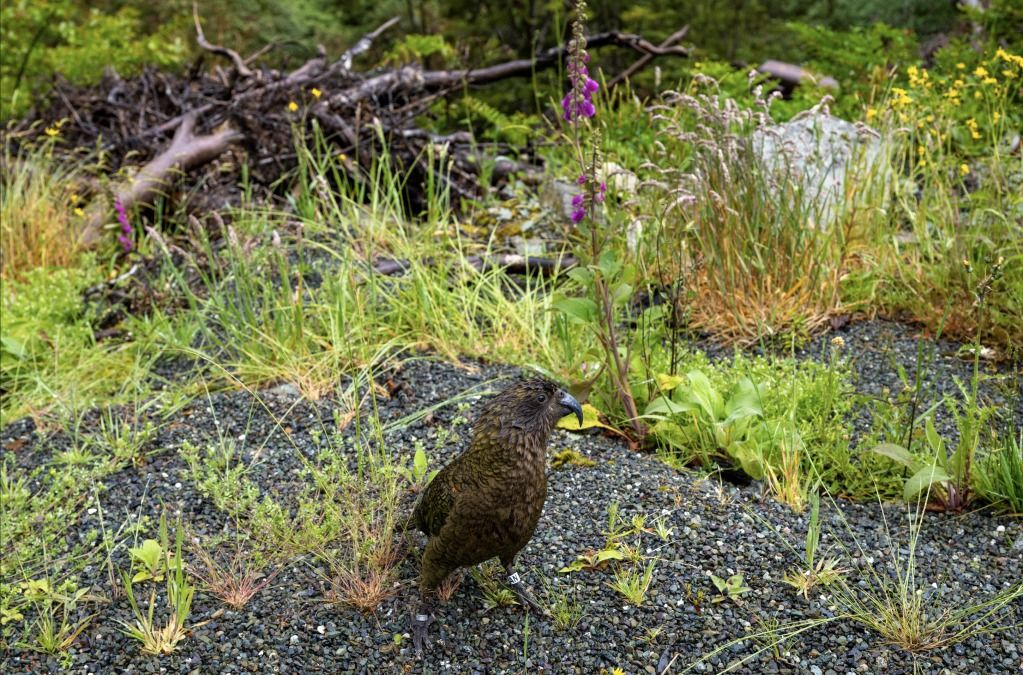
a fur seal (below) and even a brief sighting of Bottlenose dolphins.
Milford Sound has overnight cruises where you get to experience the fiord at night and see the many waterfalls within. There are two permanent waterfalls, both of stunning scale – one of them is three times the height of Niagara Falls.
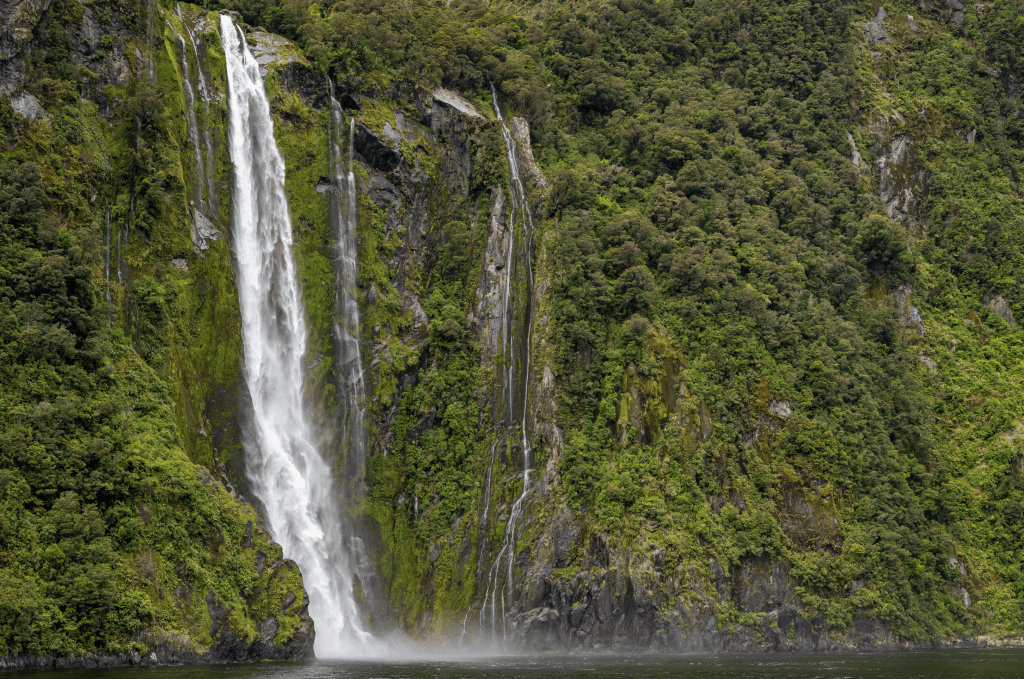
Though the size and sheer scale of the fiords just normalizes it all. The other one just gushes and mesmerizes you along the way.
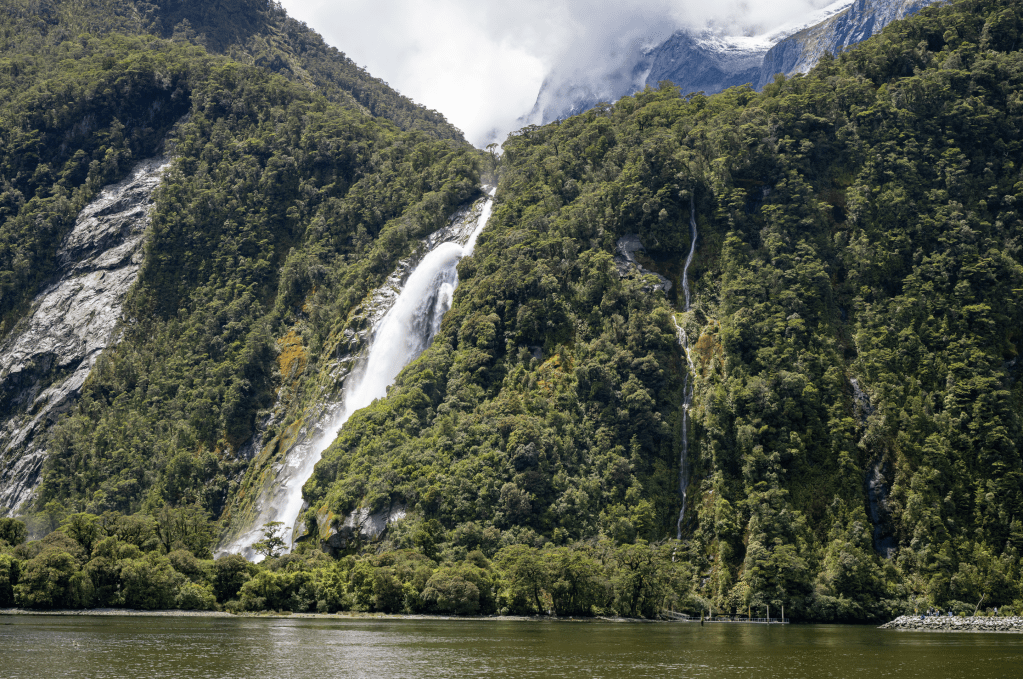
Now let’s get back to why you hope to see Milford Sound in the rain. The rain creates hundreds of temporary waterfalls. So, you’re just surrounded by cascade after cascade after cascade.
One of the things that makes waterfalls so special is how rare they typically are. If you’re a regular hiker and you go to most national parks, hikes are usually organized around waterfalls. You go on a 2 or 3 hour hike, maybe you see one beautiful waterfall at the end of it, you stare at it for some time, soak it in, and then walk back. That’s normal…
…and then you show up at Fiordland National Park. And you’re treated to a buffet. You look left, you look right, you look all around. And on a rainy day, you just don’t know what to make of it.
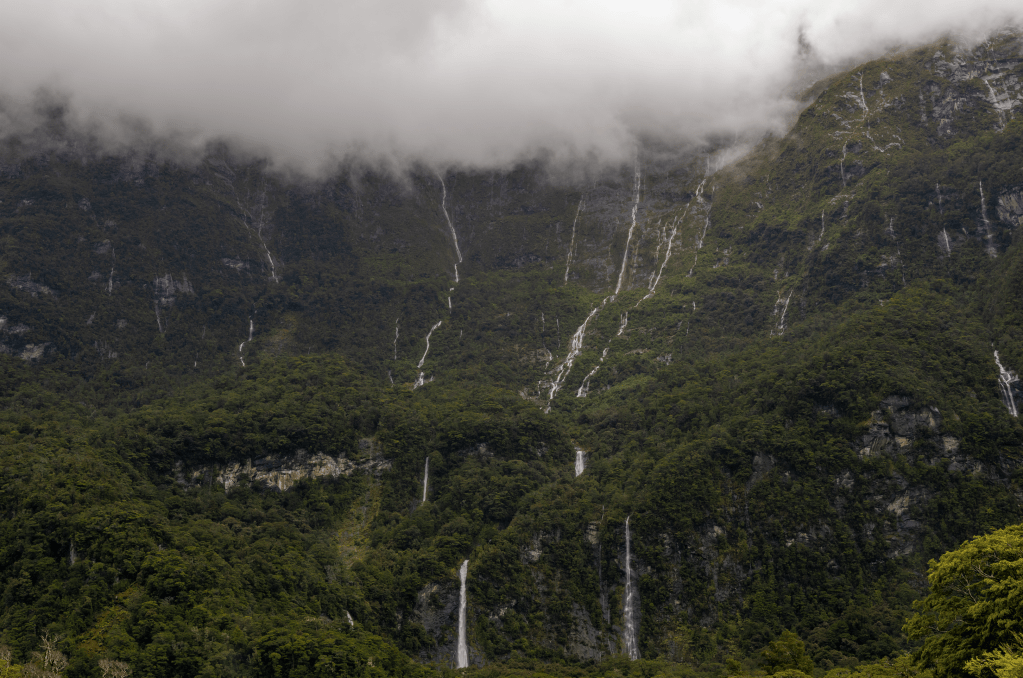
We entered Milford Sound on one such rainy day and were lucky to have booked the Milford Sound Lodge – the only place to stay at Milford Sound (hospitals and groceries are 2 hours away). It was honestly hard to believe it was real. It felt like we were in a fairy tale. It was mesmerizing. We spent hours just staring out at the waterfalls.
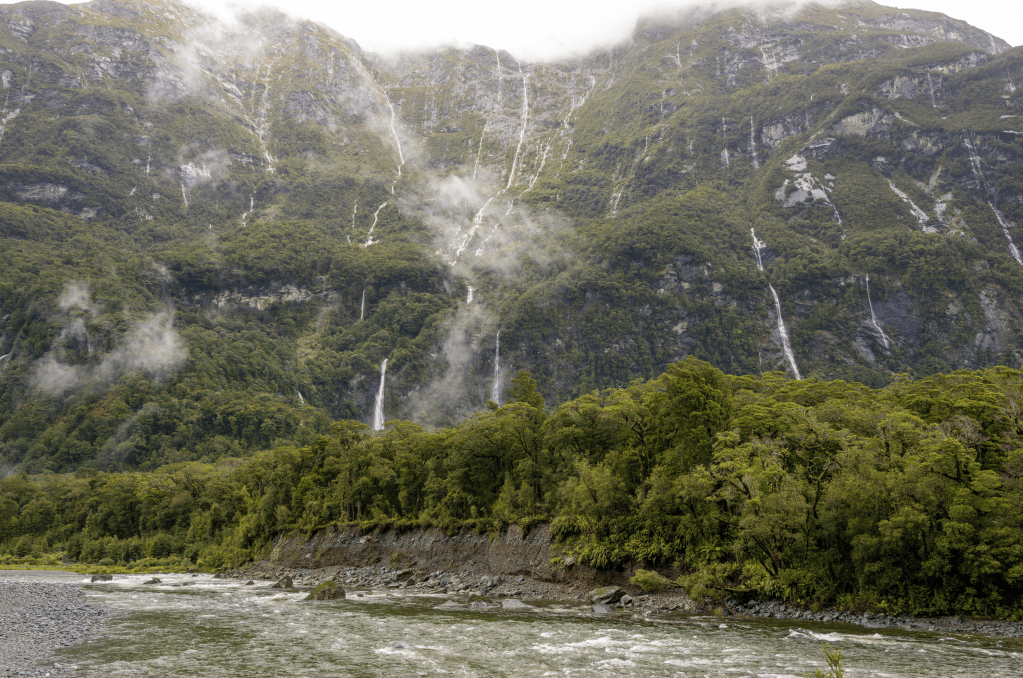
That magic is just hard to describe.
 A Learning a Day