I was tired at the end of a day recently. I could feel the impatience rising within.
But I had three things I’d planned to get done. And so I did.
The next morning, I realized that I had managed to make a mistake in each of the 3 things. One needed to be re-done. Another had produced sub-par results that I’d have to deal with for the next couple of days. The third was salvageable – not great, but fine for now.
“Don’t attempt to get stuff done when you are very tired” is a reminder I’ve written about more times than I can count. But it was still hard to remember it in the moment.
That’s the test of true learning though. When you’ve learnt something, you change how you operate – regardless of how challenging the circumstances might be.
I wonder if the sun debates dawn some mornings not wanting to rise out of bed from under the down-feather horizon
if the sky grows tired of being everywhere at once adapting to the mood swings of the weather
if clouds drift off trying to hold themselves together make deals with gravity to loiter a little longer
I wonder if rain is scared of falling if it has trouble letting go
if snow flakes get sick of being perfect all the time each one trying to be one-of-a-kind
I wonder if stars wish upon themselves before they die if they need to teach their young how to shine
I wonder if shadows long to just-for-once feel the sun if they get lost in the shuffle not knowing where they’re from
I wonder if sunrise and sunset respect each other even though they’ve never met
if volcanoes get stressed if storms have regrets if compost believes in life after death
I wonder if breath ever thinks of suicide if the wind just wants to sit still sometimes and watch the world pass by
if smoke was born knowing how to rise if rainbows get shy back stage not sure if their colors match right
I wonder if lightning sets an alarm clock to know when to crack if rivers ever stop and think of turning back
if streams meet the wrong sea and their whole lives run off-track I wonder if the snow wants to be black
if the soil thinks she’s too dark if butterflies want to cover up their marks if rocks are self-conscious of their weight if mountains are insecure of their strength
I wonder if waves get discouraged crawling up the sand only to be pulled back again to where they began
if land feels stepped upon if sand feels insignificant if trees need to question their lovers to know where they stand
if branches waver at the crossroads unsure of which way to grow if the leaves understand they’re replaceable and still dance when the wind blows
I wonder where the moon goes when she is in hiding I want to find her there
and watch the ocean spin from a distance listen to her stir in her sleep
effort give way to existence
| Naima Penniman
Reading this poem while listening to this video brought tears to my eyes. It is hard to explain why something resonates so deeply sometimes. But if I had to try, I’d venture at the following three reasons.
“I wonder” is such a powerful phrase. It reminded me of the power and pull of childlike curiosity.
It reminded me of how much we take for granted in this world around us. The sun, the clouds, the wind, the land, and so on.
And, finally, it reminded me just how important it is to stop overthinking things, to show up, and to keep plugging away.
One aspen tree is a small part of a larger organism. A “stand” or group or “clone” of aspen trees is considered a singular organism with the main life force underground in the extensive root system. So, before a single aspen trunk appears above the surface, the root system may lie dormant for many years until the conditions are just right, including sufficient sunlight.
And, “Pando” – a clone of Aspen trees in Utah, is the single largest living system on the planet. This collection or clone of Aspens is spread across 108 acres and is one of the world’s oldest living organisms.
Author Steven Johnson tells a fascinating story about Willis Carrier. Working in a humid Brooklyn printing shop, Carrier needed to find a way to reduce the humidity so the ink didn’t run on the page. So he created a dehumidifier which seemed to also make the air cooler.
Before long, others in the shop wanted to spend time in the printing room because of how cool it was. That then led to the modern airconditioner.
A fascinating side effect of this is how it changed the population spread in the US. Suddenly, people could live in hotter places without worrying about dying of heat. Tucson, Arizona, grew 400 percent in 10 years, Phoenix 300 percent, Tampa, Dallas, Houston, Atlanta, population double, triple. Carrier’s invention was circulating people, as well as air, changing lives, changing America.
But then something even more interesting happened. People moving to the hot states were older and tended to vote Republican. And the growing population in the conservative South meant more Electoral College votes there. Between 1940 and 1980, Northern states lose an incredible 31 Electoral College votes, while Southern states gain 29.
Enter Ronald Reagan. As Steven Johnson says – “A very important component of Ronald Reagan’s election in 1980 is kind of the Sun Belt bloc of conservative voters that just would not have existed. It sounds crazy to be like, a guy in Brooklyn is trying to stop the ink from smearing on the page and it ends up helping to elect Ronald Reagan. But it’s actually just a couple of steps between those two things.“
Just a couple of steps indeed. A wonderful reminder of the power of unintended second and third order effects of past events that shape the forces that we see in play today.
“What feedback do you have for me?” is a commonly used feedback question that doesn’t perform well because of how open ended it is.
Two kinds of constraints help.
(1) “Do you have any feedback for me on the structure of my presentation?”
(2) “If you had to pick one thing that went well in that meeting and one thing that you’d suggest I do differently, what would you pick?”
Variant (1) puts a clear constraint on scope. Variant (2) puts a constraint on the amount of feedback you’re seeking – in effect helping the giver prioritize.
If you’re not getting high quality feedback, it might just be time to revisit the questions being asked.
Constraints and focus in our questions are leading indicators of clarity.
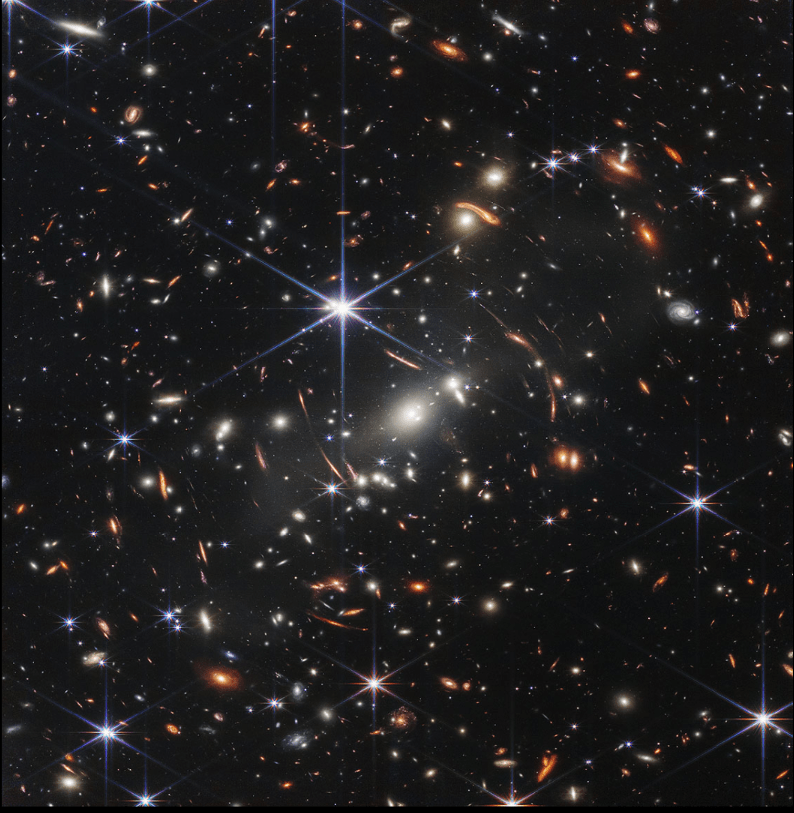
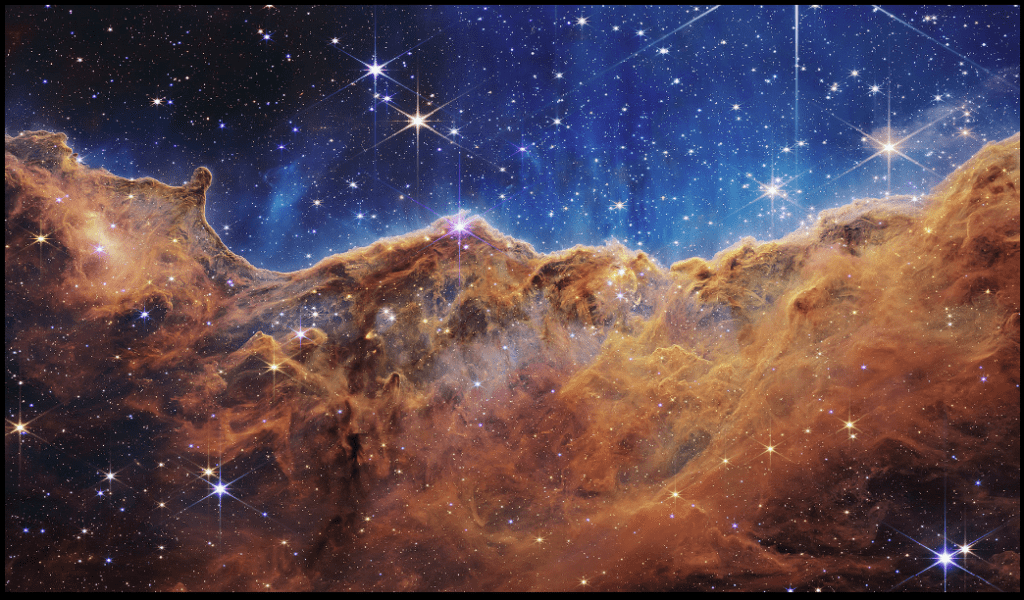
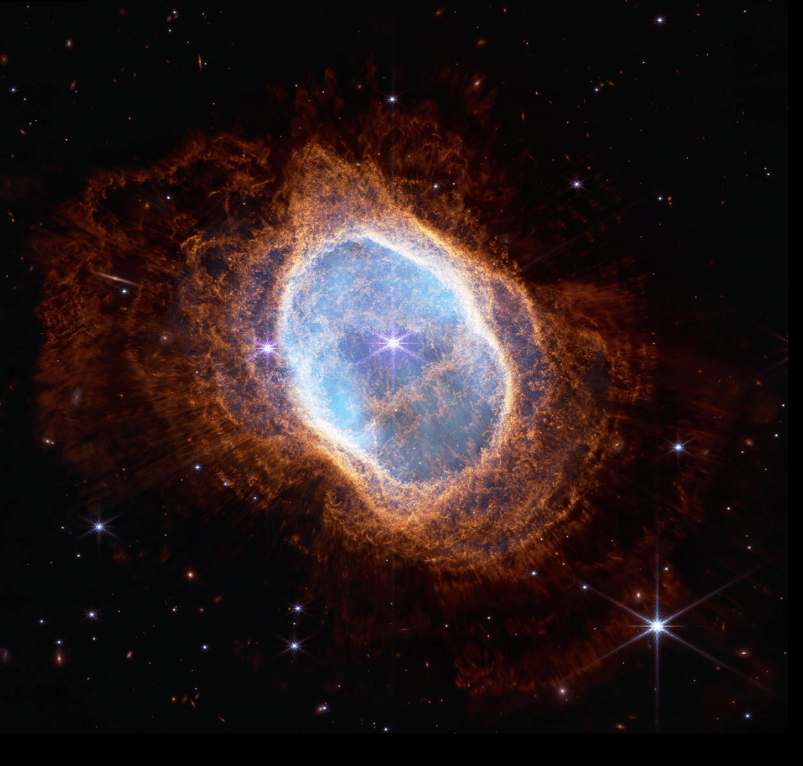
NASA has shared the first images from the James Webb telescope.
This first image shows some of the most distant galaxies we’ve ever seen or studied (overview of the images are here).
“Carina’s Nebula” shows the process of the formation of a star.
“Southern Ring Nebula” shows the gas around a dying star.
“Stephan’s Quintet” shows a compact group of galaxies.
Seeing these images inspired awe and reminded me of Carl Sagan’s note on a view of the Earth in the Milky Way galaxy as a pale blue dot.
“It has been said that astronomy is a humbling and character-building experience. There is perhaps no better demonstration of the folly of human conceits than this distant image of our tiny world. To me, it underscores our responsibility to deal more kindly with one another, and to preserve and cherish the pale blue dot, the only home we’ve ever known.” | Carl Sagan
“We organize much of our lives around reassuring ourselves about the accuracy of the hallucinated model world inside our skulls.” | Will Storr, The Science of Storytelling
The Science of Storytelling has done a great job reminding me just how much of our lives are shaped by stories. The section that featured this quote, however, took it another level deeper as it pointed out just how central stories are to our identity and how we fight to reassure ourselves about them.



 A Learning a Day