
I hope you’re having a nice weekend. Here’s this week’s 200 word idea thanks to Prof Cerf at Kellogg with a bit of the backstory from Fundingverse.
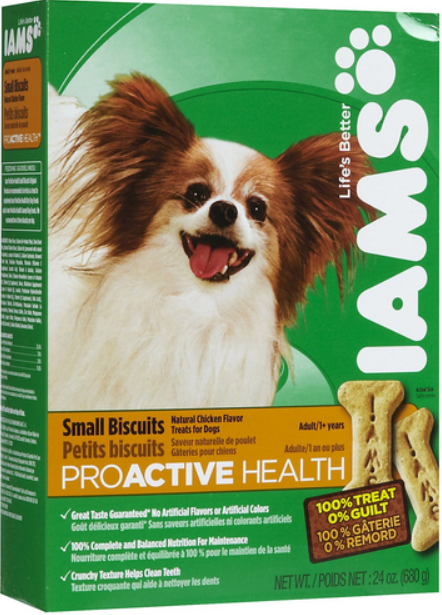
When Paul Iams visited a mink ranch in 1946, he noticed the dogs at the ranch, who also ate food made for minks, seemed exceptionally healthy and beautiful. So, he developed Iams 999, a superior quality high-protein variety of dog food. However, sales stagnated at 100,000 dollars and Iams looked in trouble.
The vision of Clay Mathile, a new manager, however, changed everything. Mathile asked the question – what is a segment that would love what is great about Iams (superior quality => shiny coats, healthy dogs) and not mind what isn’t great about Iams (high cost, limited distribution)? Show dogs! So, he went on to focus all advertising on show dog owners who were more than happy to buy premium dog food and go through the difficult sourcing process so they had a competitive advantage.
Soon, Iams was ready to expand again. Next, they focused on breeders who cared about healthy, shiny dogs and didn’t mind the extra expense. Breeders naturally recommended the new owners continue Iams.
By 1999, Iams had 900 million dollars in sales and was acquired by P&G – a classic case study in the power of segmentation.
 Source and thanks to: www.EBSketchin.com
“In finding the ideal market for your product as well as for yourself (e.g. your spouse and employer), your ideal segment is one that loves what’s good about you and doesn’t mind what’s bad about you.” | Moran Cerf, Kellogg School of Management
 A Learning a Day